
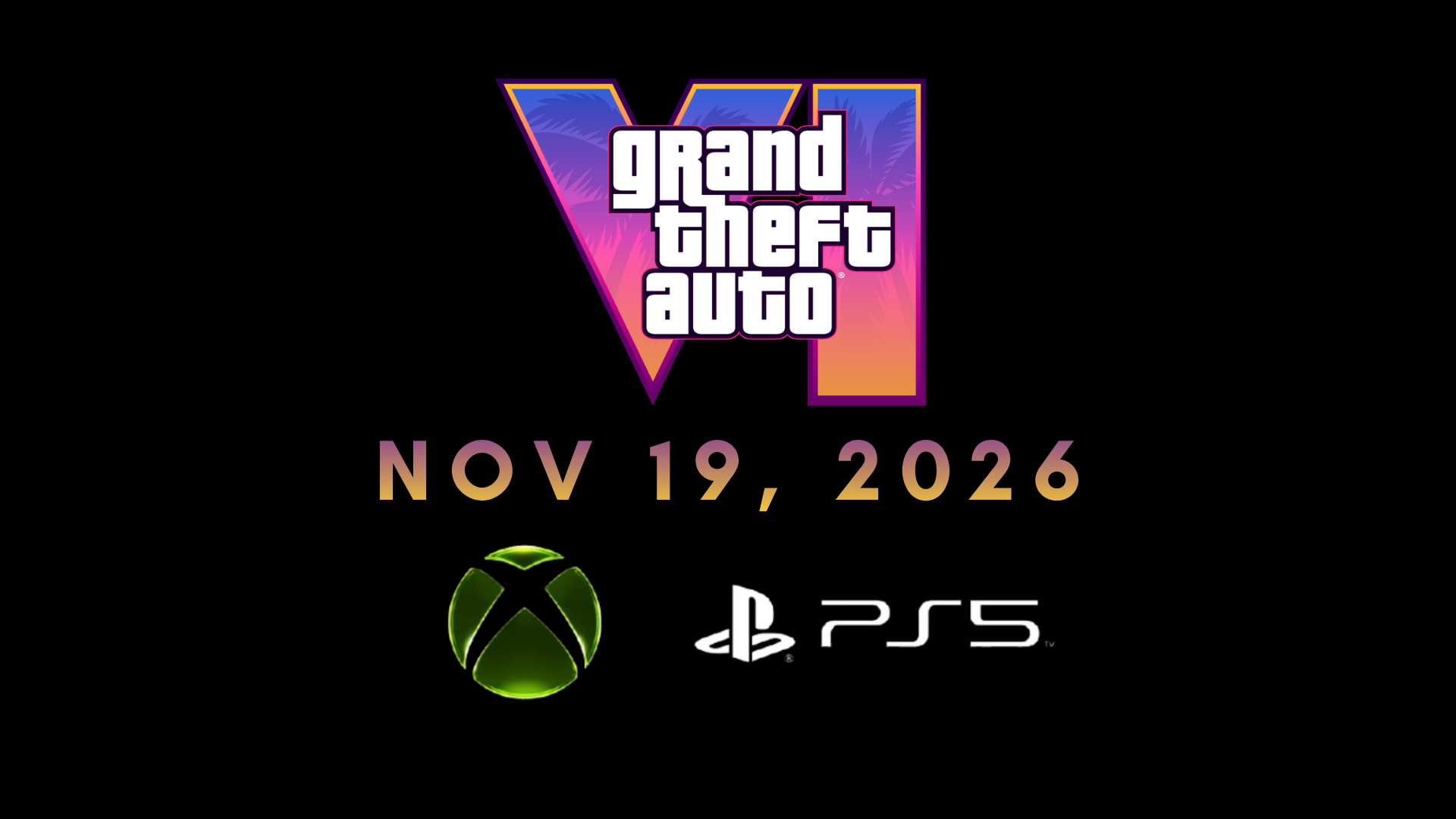
Rockstar has released two trailers for GTA 6. That is the complete list of official marketing material. No gameplay deep-dives, no developer diaries, no paid campaigns, no sponsored coverage. Just two videos dropped into the internet and left to spread on their own. The second one pulled approximately 475 million views in its first 24 hours. For context, that was the highest 24-hour figure ever recorded for any trailer at the time it dropped. Spider-Man: Brand New Day later hit 718 million in 24 hours, but that is a Marvel film. Among games, it is not close.
The numbers get weirder the further you go. Rockstar's YouTube channel shows around 275 million total views on Trailer 1 and 153 million on Trailer 2 as of mid-2026. Those figures are just YouTube. They do not count the views across X, TikTok, Facebook, or the countless repost accounts. The GTA6 hashtag on TikTok passed 38 billion views in 2025. That number is so large it starts to lose meaning, but it reflects something real: GTA 6 content, whether official or fan-made, never stopped circulating.
Rockstar's announcement tweet for Trailer 1 got 1.7 million likes, which made it the most-liked gaming tweet ever posted. The same announcement got 5.5 million likes on Instagram. A YouTube Community post about the trailer drew 400,000 likes and 15,000 comments. According to RockstarINTEL, the GTA franchise now holds five of the top ten gaming tweets of all time by likes. All of this from a studio that has not released a new game since Red Dead Redemption 2 in 2018.
What Is Actually Impressive Here
The obvious reading is that these numbers prove GTA 6 is the most anticipated game ever made. That is probably true. But the more interesting story is how Rockstar got there.
There was no ad campaign. No celebrity placement. No press junket. The entire marketing strategy, if you can call it that, was a 90-second teaser followed by silence, then a second trailer followed by more silence. Every piece of coverage since then has been earned by other people: journalists writing analysis pieces, fans breaking down frame-by-frame details, leakers getting sued, and the resulting discourse generating more coverage of the coverage.
The scarcity is the strategy. Rockstar releases so little that anything it does release gets treated as a significant event. Other publishers flood the calendar with trailers, showcases, gameplay previews, developer streams, and limited-time demo access. Rockstar did essentially none of that and produced higher engagement numbers than any of them. It is worth sitting with how strange that is.
Take-Two CEO Strauss Zelnick made a comment that has been passed around a lot. He said that selling 10 million copies on day one would be a "disaster" if that was the ceiling. That quote is usually treated as a flex, and it is, but it also describes genuine pressure. The hype has gotten large enough that Rockstar has to meet expectations that no game has ever actually met before. 25 million day-one copies is the figure some analysts are throwing around. For comparison, GTA 5 sold 11 million copies in its first 24 hours in 2013 and went on to become one of the best-selling games of all time. The bar being discussed for GTA 6 is more than double that on launch day alone.
Strauss Zelnick said 10 million day-one sales would be a "disaster if missed." That is the kind of thing you say when you are confident. It is also the kind of thing that comes back to haunt you if something goes wrong at launch.
Studios Are Literally Moving Out of the Way
The most concrete measure of GTA 6's weight is not the view counts. It is the publishing decisions happening around it.
Three major publishers have reportedly moved release dates specifically to avoid launching in the same window as GTA 6. A publishing exec quoted by The Game Business put it plainly: "Rockstar games always suck a lot of money and time out of the market. We don't want to be anywhere near that." Another studio head compared it to a meteor and said they would "just stay clear of the blast zone." These are not anonymous sources speculating. These are senior publishing figures saying the quiet part out loud.
Kotaku's Zack Zwiezen reported after recent showcases that no game shown in Sony's State of Play was targeting November, the window GTA 6 is expected to occupy. That is not a coincidence. Activision has reportedly discussed shifting Call of Duty. EA has Battlefield in its pipeline. Live-service titles are planning to pause major updates during the launch period. Even the indie calendar has been affected: Valor Mortis moved from September to October specifically because, as the developers explained, September had already become too crowded with titles fleeing later in the year.
What that produces, as Zwiezen pointed out, is a chaotic first half of Q4 2026 where a large chunk of the year's notable releases are crammed into a narrow window before GTA 6 arrives, followed by relative quiet after. Some studios will probably end up sliding into 2027 rather than compete at all. It is a strange situation where a game that has not launched yet is already reorganizing the industry's calendar.
The Pricing Question
GTA 6 is also affecting how publishers think about price. Analysts have noted that if GTA 6 launches at $80, it makes it significantly harder for other publishers to justify staying at $70. The logic is that if the biggest game in the world sets a new price ceiling and players pay it without complaint, the argument for holding the line at $70 weakens considerably.
Take-Two has not confirmed a price. Speculation around $80 has been circulating for over a year. Some analysts expect it, others think the consumer backlash risk is too high. What is clear is that GTA 6's scale gives Take-Two more pricing power than any other publisher currently has. If they use it, the rest of the industry will be watching closely to see whether players follow.
The Part Worth Being Skeptical About
Pre-launch hype and actual sales are not the same thing. GTA 5 had enormous anticipation and delivered on it. Cyberpunk 2077 had enormous anticipation and launched broken. Both generated similar kinds of pre-launch media coverage. The difference was execution.
GTA 6 has not shown a full hour of gameplay. It has not done a preview event. The trailers look technically remarkable and the world design appears genuinely ambitious, but there is still a lot Rockstar has not shown. The online component, which is where GTA 5 made most of its money over a decade of updates, has barely been addressed. The pricing has not been confirmed. The PC version, which a significant portion of the playerbase will want, has not been announced.
None of that means GTA 6 will not be great. The evidence available suggests Rockstar has been building something serious. But the coverage around it has reached a point where the hype is being reported on as if it is itself a kind of achievement, separate from the game. Which it is, in marketing terms. Whether the game matches it is something nobody actually knows yet.
Rockstar has earned considerable benefit of the doubt. They have also built expectations that are going to be very hard to meet quietly. Every major publisher moving their release dates is a vote of confidence that GTA 6 will land hard. The trailer numbers are real. The industry reorganization around it is real. What happens after the first weekend, when the actual reviews and player reports start coming in, is the part that matters.