

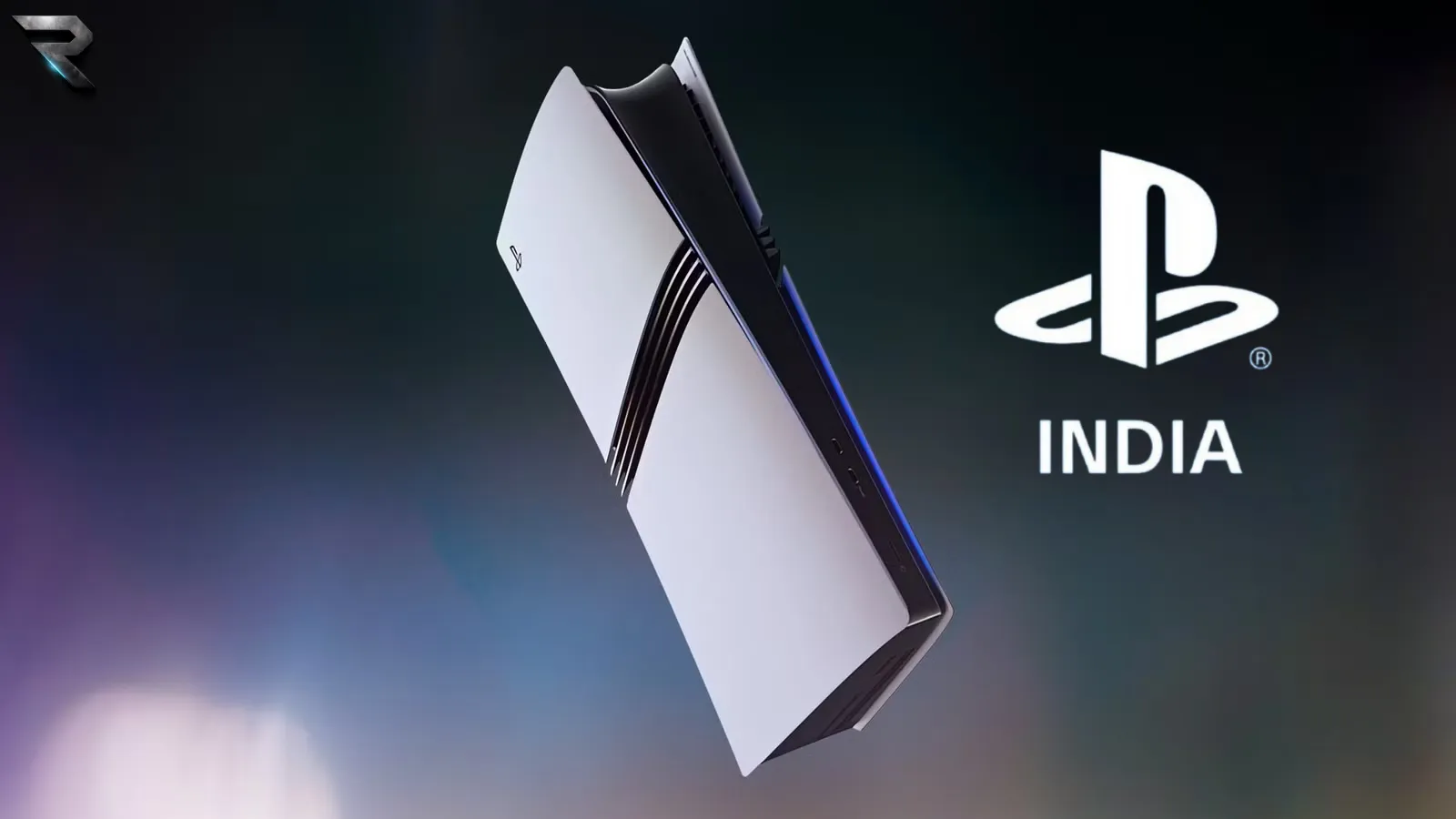
PlayStation India is facing allegations that it cut media access to upcoming games after local outlets ran coverage critical of Sony's reported direction on physical releases. The claims come from gaming publication High Chaos Run, which says several Indian outlets ran into access problems soon after publishing that coverage.
If the allegations hold up, they raise a bigger question than any single access decision: how PlayStation India and its PR representatives treat outlets whose coverage isn't flattering. Respawnerz has not independently verified the claims below.
What High Chaos Run Claims
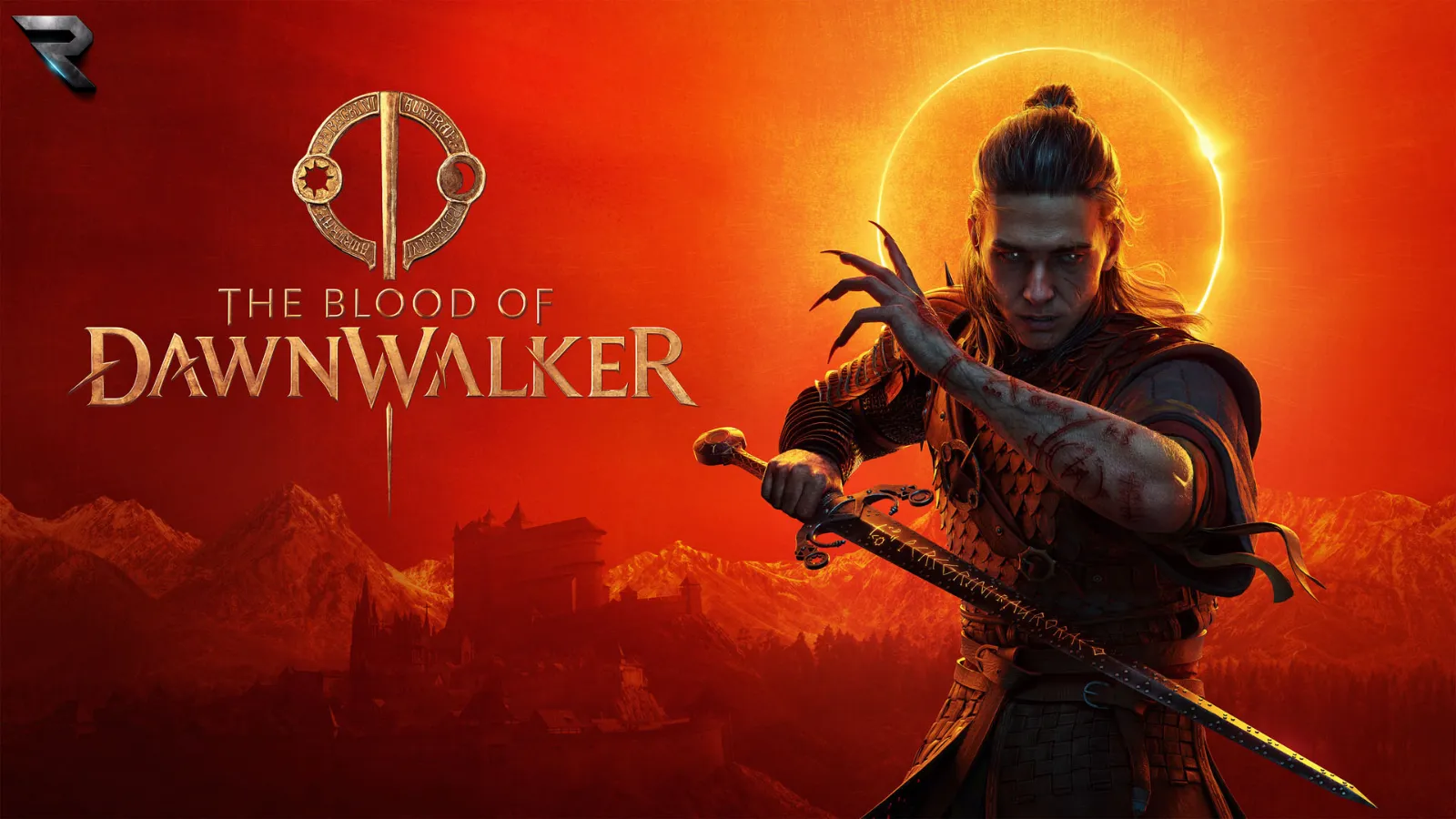
High Chaos Run reports that the trouble started after multiple Indian gaming outlets covered Sony's move away from physical game releases. According to the publication, some of those outlets then lost press access to upcoming titles, including Marvel Tokon: Fighting Souls, Wolverine and Phantom Blade Zero.
The report also claims PlayStation India's marketing representatives raised the coverage directly with media contacts, describing it as putting the company in a "bad light" and framing it as content published for views. High Chaos Run goes further, alleging that some media contacts were blocked on WhatsApp by people working on PlayStation's PR account.
Why Physical Games Became the Flashpoint
The alleged access cuts land on top of an already heated argument about PlayStation's approach to physical games. Physical copies give console owners an alternative to buying everything through a digital storefront, and they can be resold, traded or kept independently of any one account. Cut deep enough into physical releases, and the change stops being about format and starts being about how much control players actually have over what they own.
That's why the debate has grown into a broader conversation about ownership and preservation rather than staying a simple packaging question. It's also fed directly into the #PSBlackout campaign, which is calling on players to hold off on PlayStation purchases and services during a planned protest window.
What a Media Blacklist Would Actually Mean
Publishers and platform holders routinely control who gets review codes, preview events and interviews, which gives them real leverage over their relationship with the press. That's normal. No publisher owes every outlet access to every game, and decisions can come down to campaign strategy, audience fit or simply how many codes exist for a given title.
Pulling access specifically because an outlet published criticism is a different situation. It would matter most for smaller gaming publications, which tend to depend on publisher and PR access far more heavily than larger outlets do when covering upcoming releases.
What We Know and What's Still Unconfirmed
It's worth separating what High Chaos Run has reported from what's been independently established.
Reported by High Chaos Run:
- Multiple Indian gaming outlets were allegedly restricted from getting access to certain PlayStation titles.
- The restrictions were allegedly tied to coverage of the physical-games controversy.
- PlayStation India representatives allegedly criticized the tone and motivation behind some of that coverage.
- Some media contacts were allegedly blocked on WhatsApp.
Not independently confirmed by Respawnerz:
- Whether PlayStation India maintains a formal blacklist of media outlets.
- Whether every outlet named in the report was restricted for the same reason.
- Whether the alleged decisions came directly from Sony Interactive Entertainment or from an external PR agency.
- Whether the reported comments reflect an official PlayStation India policy.
That distinction matters. Right now, the existence of a formal blacklist is an allegation, not an established fact.
PlayStation India's Response
High Chaos Run says it contacted PlayStation India about the allegations. As of publication, there's no public statement from the company confirming a blacklist tied to coverage of the physical-games controversy. Respawnerz will update this article if PlayStation India or Sony Interactive Entertainment responds.
Why This Matters
The physical-games debate was already a sore subject for PlayStation players before this. Adding allegations about media access on top of it changes the shape of the conversation. Critical coverage is an ordinary part of how gaming outlets and publishers interact, and publishers are free to decide how they hand out limited review and preview access. The real question here isn't whether an outlet got a code. It's why access was allegedly pulled.
If more outlets or documentation back up the claims, this becomes a legitimate question about whether criticism of PlayStation's physical-media strategy shaped access decisions in India. For now, the alleged blacklist rests on High Chaos Run's reporting alone. Respawnerz will keep following the story as more comes out.