

Offensive teams have one job: end the game before your opponent gets to play theirs. No slow positioning, no waiting for the right read three turns from now. You put on pressure from turn one and keep adding to it until something breaks, usually their team, sometimes your own plan if you get greedy with it.
That approach rewards proactive play. Every switch, every attack, every support move exists to force a harder decision on the other side of the field, and the archetype leaves less room for error than balance or Trick Room does. When it works, though, games end fast, and Regulation M-B has given offense more tools to work with than almost any format before it.
Between Drought and Drizzle Mega Evolutions arriving on turn one, a genuinely deep pool of fast attackers, and Fake Out users that can buy a free turn out of nothing, offensive teams are currently among the most popular builds on the ranked ladder. Whether that means Sun amplifying a Fire-type core, Rain empowering Water-type attackers and Swift Swim sweepers, or a pure Hyper Offense squad that skips weather entirely, these teams are built to dictate the pace of a match rather than react to it.
What Makes an Offensive Team?
Every offensive archetype plays a little differently, but the good ones tend to share a handful of traits:
- One or more attackers that can realistically close out a game on their own.
- Reliable Speed control, whether through Tailwind or naturally fast offensive Pokémon.
- Support Pokémon that enable teammates instead of just soaking hits.
- Enough flexibility in switching to keep the pressure on without losing your best piece.
- More than one win condition, so the opponent cannot shut the whole plan down by removing a single Pokémon.
Rather than trying to answer every possible matchup on paper, offensive teams accept some risk in exchange for staying in control of the tempo. That trade is the whole point.
Is an Offensive Team Right for You?
If you like making the first move, reading what your opponent is about to do, and finishing battles before they turn into a long grind of repositioning, offense is probably your archetype. It rewards aggressive calls, tight resource management, and knowing the difference between committing to an attack and holding a Pokémon back for later.
The cost is that offensive teams generally trade away defensive depth to get there. Lose your main attacker early, or hand the opponent a free setup turn, and momentum can flip against you almost as fast as it worked in your favor.
Sun Teams
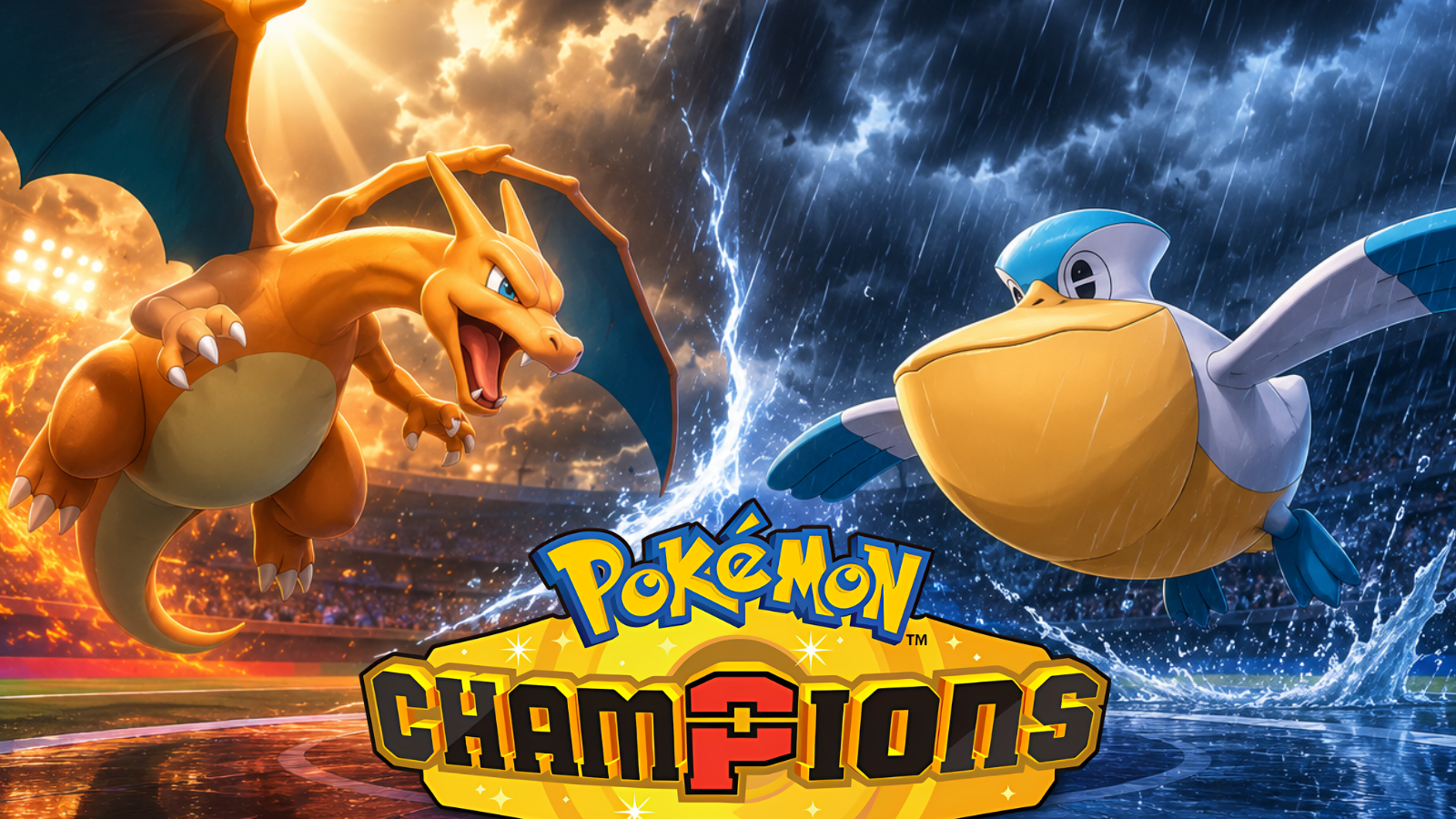
Sun is one of the most consistent offensive archetypes in the current metagame, largely because two Mega Evolutions are built around it directly. Mega Charizard Y sets Drought the instant it transforms and starts throwing Heat Wave before the opponent has time to stabilize, while Mega Pyroar takes a different route with Fire Mane, an ability that adds a straight fifty percent to its Fire-type damage and turns Helping Hand support from Torkoal into genuinely absurd numbers.
A typical Sun team runs a dedicated weather setter alongside Fire-type attackers, fast partners that benefit from the boosted sunlight, and enough coverage to avoid folding to a single answer. The best Sun builds rarely lean on one Pokémon. They stack multiple win conditions so the team keeps applying pressure even after the five turns of Sun run out.
Strengths
- Massively increases Fire-type damage output.
- Weakens incoming Water-type attacks.
- Puts pressure on the opponent from the opening turn.
- Strong synergy with Mega Charizard Y and Mega Pyroar specifically.
- Forces the opponent to account for weather control all match.
Weaknesses
- Four times weak to Rock-type attacks on your primary Mega, which demands careful positioning.
- Struggles if an opposing weather setter, like Tyranitar or Mega Froslass, keeps replacing the Sun.
- Fire-resistant Pokémon can slow the whole plan down.
- Losing the weather setter early costs the team its main source of pressure.
Recommended for: players who want aggressive play without giving up flexibility. Sun rewards good weather management while still leaving room for more than one way to win, which makes it one of the easier offensive archetypes to pick up and one of the harder ones to actually master.
Rain Teams
Rain trades the raw Fire-type damage of Sun for something more distributed. Pelipper sets Drizzle the moment it enters, Archaludon gets to fire Electro Shot without a charge turn while gaining a Special Attack boost, and Basculegion picks up a Swift Swim Speed boost that lets it clean up with Last Respects once the field has been softened. None of that requires a Mega slot, which is part of why Rain stays flexible even as the rest of the metagame shifts around it.
Unlike Sun, which often revolves around one or two headline attackers, Rain spreads its pressure across the whole roster. That makes it harder to prepare for, since the opponent has to respect Water-type damage and a handful of secondary threats at the same time. Rain also functions as a direct answer to Sun, since replacing the weather instantly cuts Fire-type damage and turns the boost back onto Water-type attacks instead.
Strengths
- Boosts Water-type damage across the team.
- Directly answers Sun by overwriting the weather.
- Gives Swift Swim Pokémon a real Speed advantage without extra setup.
- Strong coverage against common Fire, Ground, and Rock-type threats.
- Multiple offensive win conditions instead of one central sweeper.
Weaknesses
- Grass and Electric-type Pokémon can pressure a Rain core hard.
- Losing the weather immediately cuts into the team's offensive output.
- Bulky Water-resistant Pokémon can be a genuine wall without the right coverage.
- Weather wars against Tyranitar, Mega Froslass, or a second Charizard can decide the match before it really starts.
Recommended for: players who like fast battles built on team synergy rather than one big hit. Rain rewards good weather management and constant pressure from several angles instead of banking everything on a single sweeper.
Hyper Offense Teams
Hyper Offense doesn't rely on weather to function. Instead, it maximizes pressure from every slot on the team. There is no long-term defensive plan here. Every Pokémon is picked to force a bad trade, and support pieces like Incineroar exist purely to buy the attackers a safe turn, whether that is through Fake Out, Intimidate, or Parting Shot pivoting.
Because Mega Evolutions are currently some of the strongest individual Pokémon in the format, Hyper Offense teams tend to lean on them heavily, often running more than one across the roster. Priority damage from Pokémon like Kingambit, using Sucker Punch to punish anything that stays in a beat too long, adds another layer of pressure that is hard to play around without dedicated Speed control of your own.
Strengths
- Immediate pressure from turn one, no setup required.
- Multiple attackers capable of threatening a knockout at any point in the match.
- Not tied to a specific weather condition, so it is less predictable in Team Preview.
- Can overwhelm slower or defensive teams before they get to stabilize.
- Rewards strong prediction and aggressive decision-making.
Weaknesses
- Very little defensive depth, so mistakes are costly.
- Losing momentum can snowball into a loss quickly.
- Struggles against teams built specifically to stall or disrupt tempo.
- Trick Room can flip the entire game plan on its head if you are not prepared for it.
Recommended for: experienced players who want full control of a match from the opening turn. It is unforgiving when it goes wrong, but it also produces some of the fastest, most decisive battles in Regulation M-B.
Other Offensive Archetypes
Sun, Rain, and Hyper Offense get most of the attention, but they are far from the only offensive builds worth running. As the metagame keeps shifting, a few other variations have carved out their own space.
Tailwind Offense
Tailwind Offense temporarily doubles your team's Speed, letting powerful but slower attackers outrun Pokémon they would normally lose to. Garchomp paired with Whimsicott is a common example, using Prankster Tailwind to clear the way for Earthquake pressure that would otherwise be too slow to matter. This style tends to be easier to build around a wider variety of Pokémon than a dedicated weather core.
Mega-Centric Offense
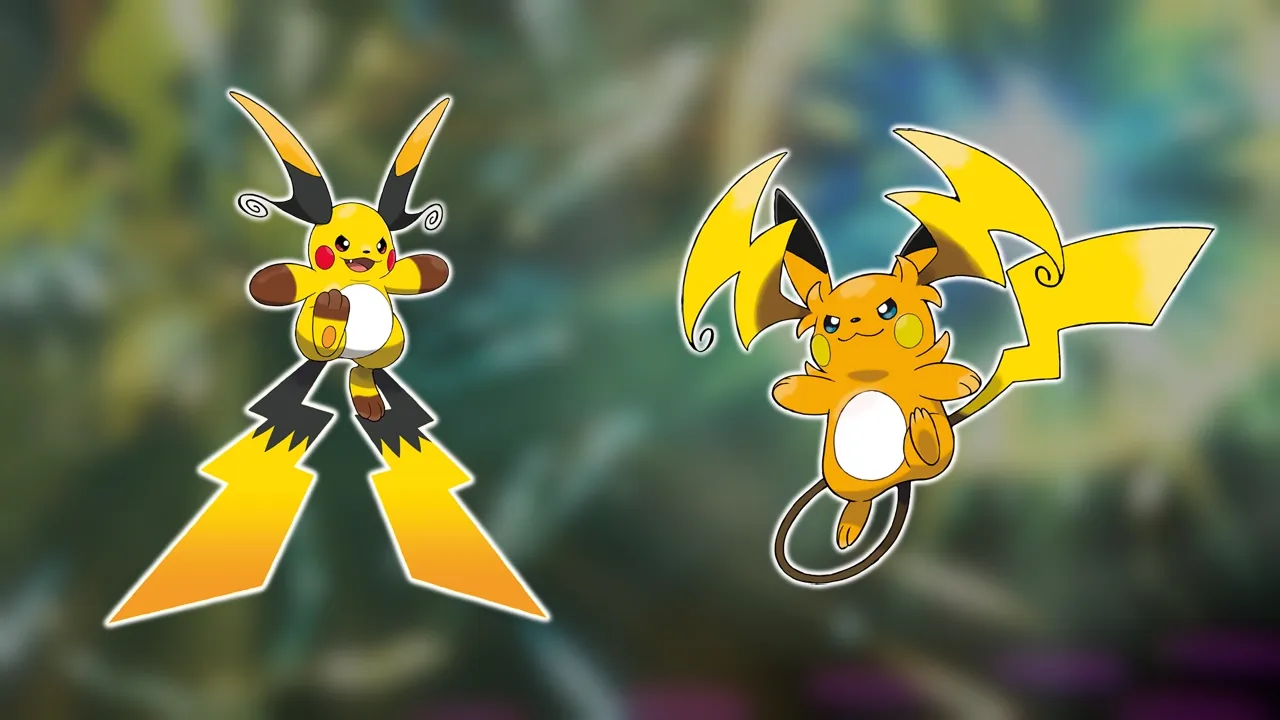
Some teams build entirely around letting one Mega Evolution take over the game, with the rest of the roster focused on clearing threats and creating safe openings for it. Mega Metagross and Mega Raichu Y both see this kind of usage, since both can function as a standalone win condition once the field is set up correctly.
Goodstuff Offense (Standard Offense)
Rather than committing to weather or Tailwind, Goodstuff Offense just combines the strongest individual Pokémon available and lets raw quality do the work. Garchomp, Incineroar, Kingambit, and Archaludon show up across a huge range of top teams for exactly this reason. It lacks the explosive synergy of a dedicated weather core, but it tends to hold up better across a long series of matches.
Which Offensive Archetype Should You Choose?
The right pick comes down to playstyle. Some players like managing weather all match, others prefer straightforward aggression, and some want a flexible core that adapts to whatever the opponent brings to Team Preview.
| Archetype | Playstyle | Difficulty | Best For |
|---|---|---|---|
| Sun Teams | Weather-based offense built around Fire-type pressure. | ★★★☆☆ | Players who enjoy aggressive weather strategies. |
| Rain Teams | Fast Water-type offense with distributed synergy. | ★★★☆☆ | Players who prefer flexible weather control. |
| Hyper Offense | Constant pressure from every slot, no weather required. | ★★★★☆ | Experienced players who like fast, aggressive battles. |
| Tailwind Offense | Temporary Speed control supporting powerful attackers. | ★★★☆☆ | Players who want flexible offensive compositions. |
| Mega-Centric Offense | Built around clearing the path for one Mega Evolution. | ★★★☆☆ | Players who want to maximize a favorite Mega. |
| Goodstuff Offense | Individually strong Pokémon without one central mechanic. | ★★☆☆☆ | Players who value adaptability across matchups. |
Biggest Threats to Watch For
Trick Room is the single biggest problem every offensive archetype shares. Handing your Speed advantage over to a team built to move first in a slowed-down field can undo an entire game plan in two turns. Weather wars are the other constant threat, since Tyranitar's Sand Stream, Mega Froslass's Snow Warning, and a second Drought or Drizzle setter can all strip your team of the exact advantage it was built around. Priority damage from Kingambit's Sucker Punch is worth building around too, particularly for Hyper Offense teams that do not carry much natural bulk. Wide Guard can significantly reduce the effectiveness of teams relying heavily on spread moves such as Heat Wave or Earthquake.
Final Thoughts
Offensive teams still define most of Regulation M-B, and it is not close. Whether that means the overwhelming Fire-type pressure of Sun, the distributed synergy of Rain, or the relentless tempo of Hyper Offense, these archetypes reward proactive decisions and careful resource management over slow, defensive positioning.
None of these strategies is objectively better than the others. Each comes with its own strengths, its own bad matchups, and its own learning curve, and the best way to figure out which one fits you is to actually run a few of them. If the plan is to climb the ranked ladder fast, or you would rather take control of a battle than react to whatever the other side is doing, offensive teams are the right place to start.
Archetype breakdowns are based on current Regulation M-B tournament trends and other publicly available competitive data.