
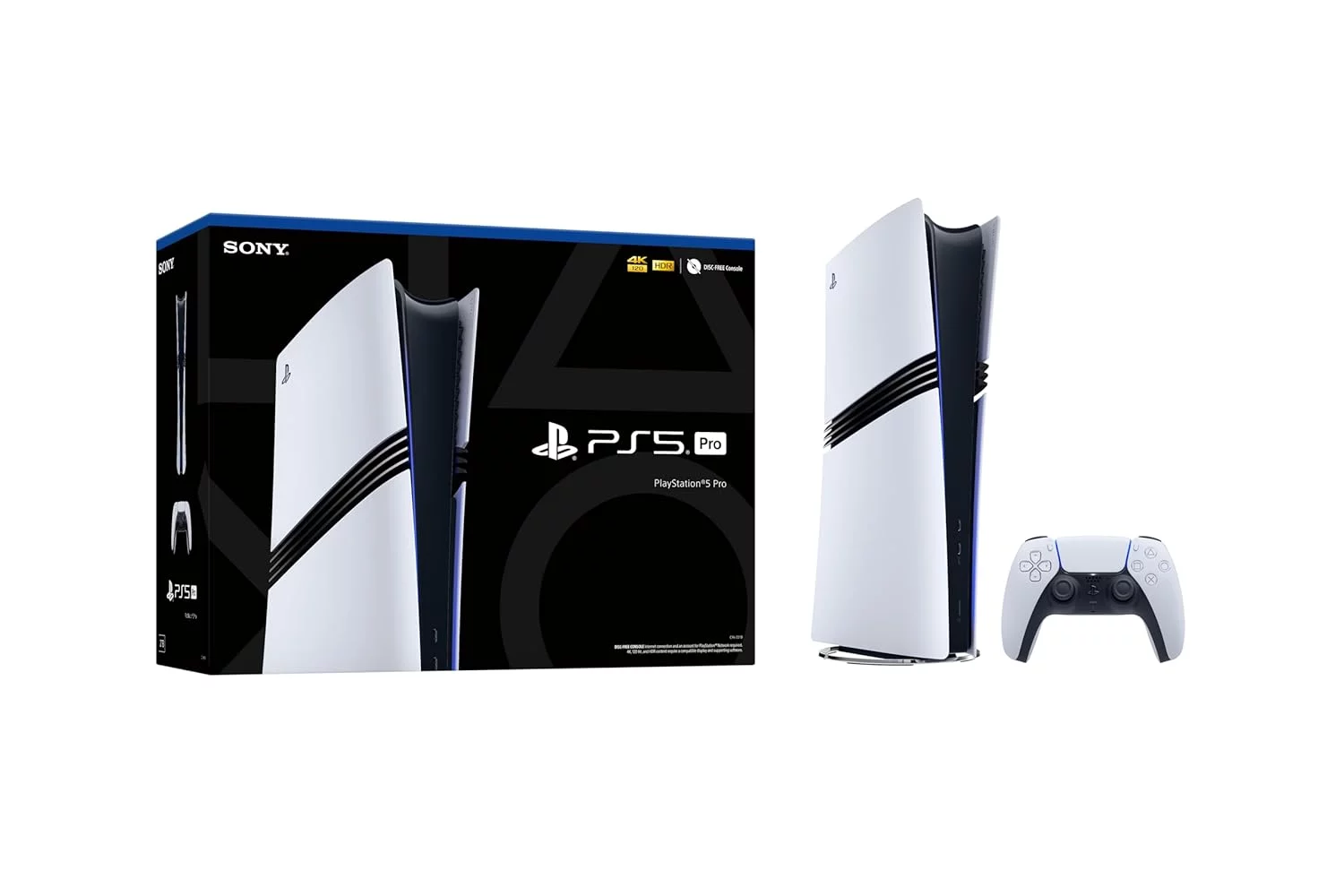
Sony made it official on Wednesday. Physical disc production for new PlayStation games ends in January 2028. After that cutoff, anything releasing on PlayStation hardware sells through the PlayStation Store or a digital code at retail, full stop. Nothing changes for games already out or anything that ships before the deadline, but every release after it skips the disc entirely.
The wording from Sony's blog post leaned on inevitability rather than announcement drama: the company called it a natural direction given how far digital purchases have outpaced physical ones. That's not spin. Sony has told investors for years that most PS4 and PS5 game sales are already downloads, and the split keeps widening. This announcement is Sony admitting the disc business is a shrinking side operation and deciding it's not worth running past 2027.
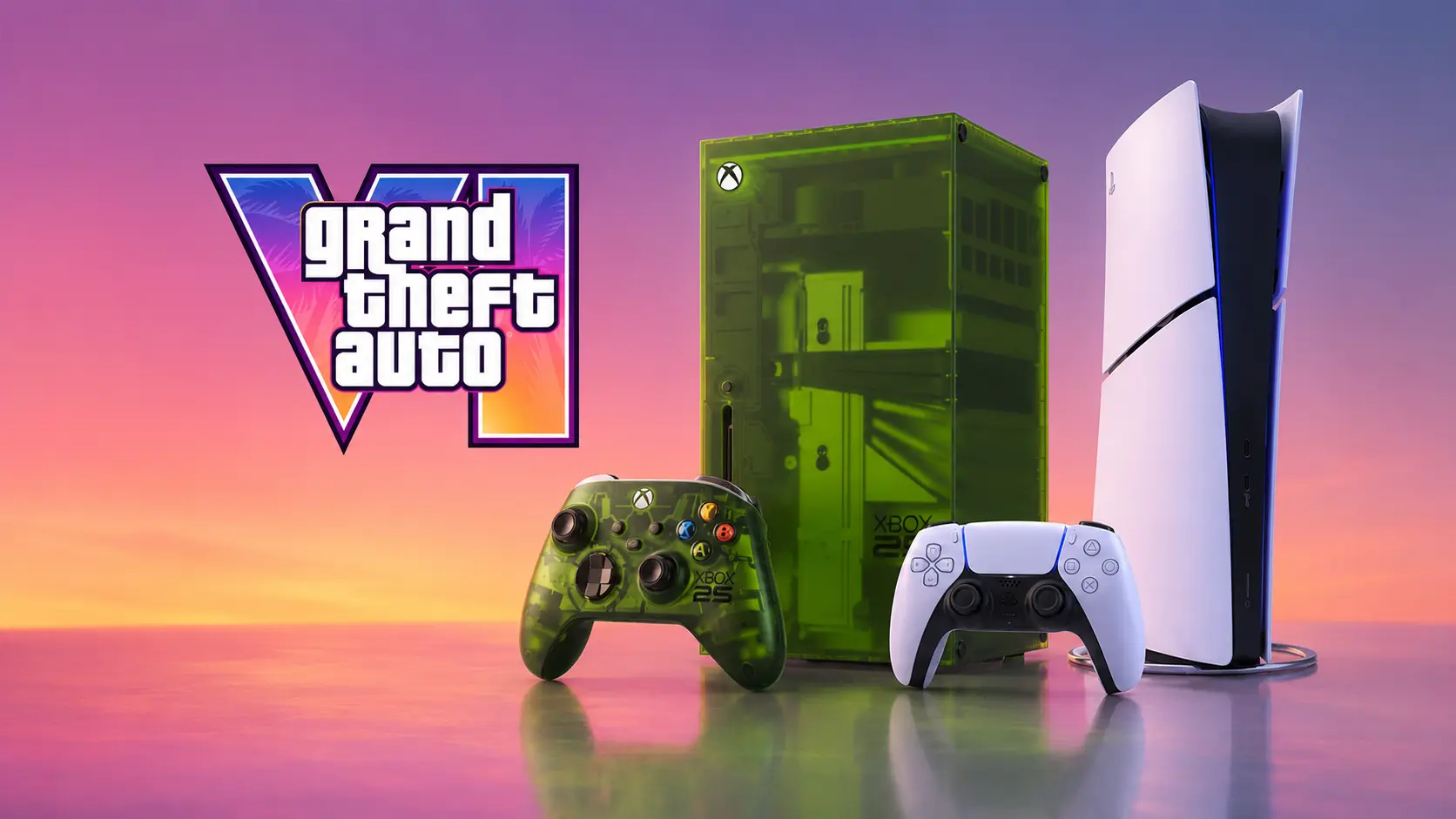
The timing is not an accident either. It lands a week after GTA 6 fans discovered that Rockstar's "physical edition" is a box with a download code inside and no disc. That backlash gave Sony a preview of exactly the reaction it's about to get on a much bigger scale, and the company decided to rip the plaster off rather than let every future publisher make the same call one game at a time.
What It Means for Collectors
If you collect physical games, 2028 is a hard line in the sand. Anything that comes out before it can still sit on a shelf as a disc you own outright. Anything after exists only as a license tied to your account, sold in a box or not. Sony isn't touching the PS3, PS4, or PS5 libraries already on disc, and older physical copies won't stop working. What disappears is the option going forward.
This is also likely to push up prices on existing sealed and complete-in-box copies of major PS5 titles, the same way discontinued print runs do in every collecting hobby. Anyone chasing a complete physical PlayStation library now has a fixed endpoint to work toward instead of an open-ended one.
Digital Ownership Concerns
The bigger issue isn't nostalgia, it's control. A disc is yours. You can resell it, lend it, or play it on a console with no internet connection ten years from now. A digital license lives inside Sony's store and can be revoked, delisted, or tied to a service that eventually shuts down, which is exactly what's happening to the PS3 and Vita stores that Sony also announced are closing in stages starting later this year.
Game preservation groups have raised this for years without much traction, mostly because publishers had no reason to listen while discs still sold. Now that the industry's biggest console maker has picked a hard date, expect the pressure campaign around backup rights, offline play guarantees, and store shutdown notice periods to get louder, not quieter.
How Xbox and Nintendo Might Respond
Xbox has been drifting this way for a while already, between Xbox Game Pass, cloud streaming, and console SKUs sold without a disc drive at all. A formal end date wouldn't be a huge leap for Microsoft, and Sony just gave it permission to follow without looking like the villain first.
Nintendo is the harder call. Switch cartridges still move real volume, especially with younger players and in regions where broadband is inconsistent, and Nintendo has leaned into physical exclusivity as a selling point rather than a burden. Don't expect Nintendo to announce anything similar soon. If anything, this makes cartridges a small differentiator for the Switch 2 generation rather than a liability.
Was This Inevitable?
Pretty much, yes. Digital purchases have made up the large majority of PS4 and PS5 game sales for years now, and disc manufacturing, packaging, and retail shelf space cost real money for a shrinking slice of revenue. The surprise isn't that Sony is doing this. It's that a fixed date exists at all instead of the usual slow fade where nobody quite announces the end of anything.
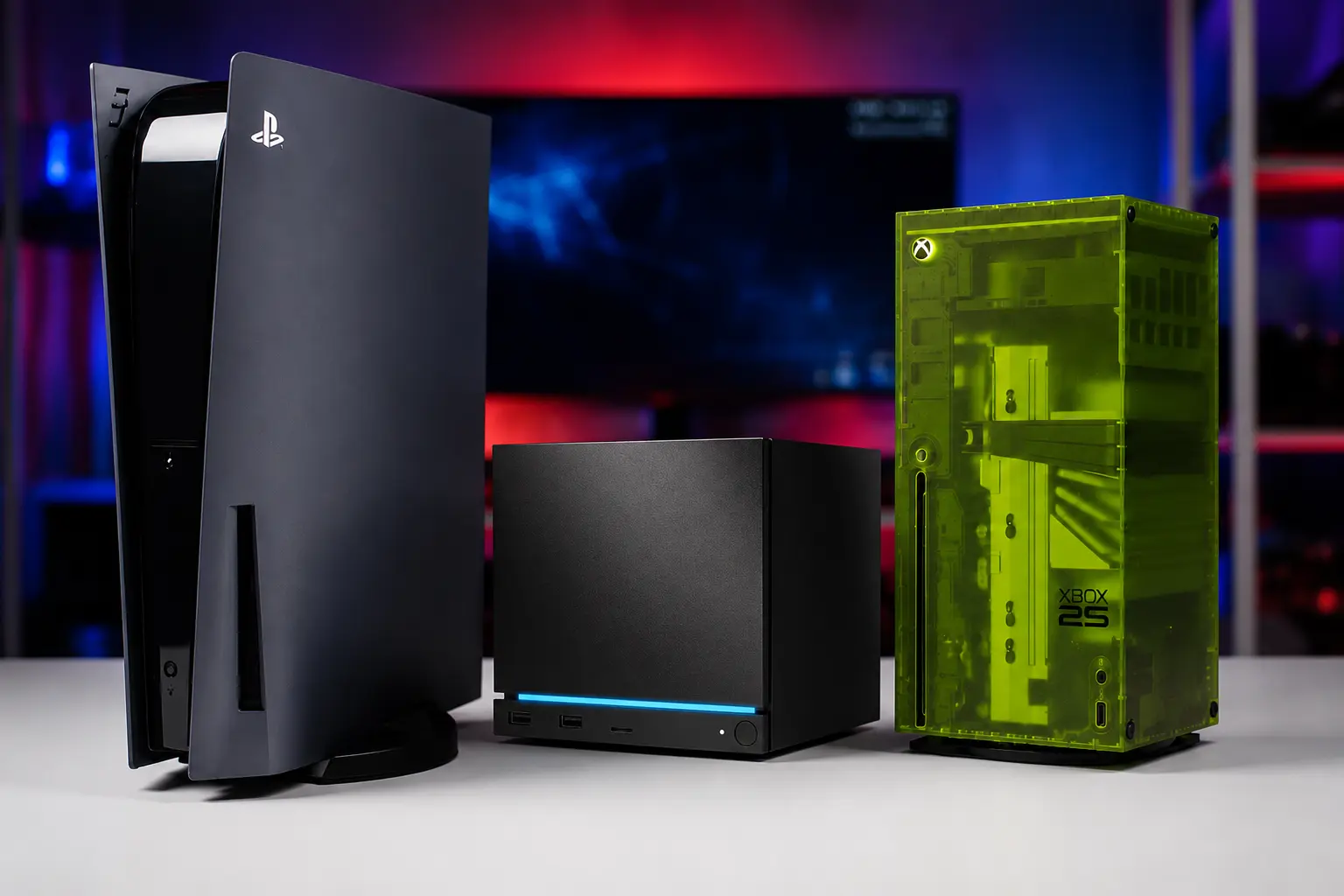
What's left to watch is what the PS6 does with this. Analysts have already floated a disc-free PS6 launching around 2028, and this announcement lines up with that window a little too neatly to be a coincidence. If the next PlayStation console ships without a disc drive, this week's news reads less like a policy update and more like the setup.
This report includes information from Sony's official announcement and Reuters.