

Competitive Pokémon Champions can feel like a lot at first. Between picking the right Pokémon, learning when to Mega Evolve, predicting switches, and keeping up with a Regulation M-B meta that shifted hard the moment the new Megas landed, it is easy to build a team that looks great on paper and then falls apart the first time someone outplays you.
Here is the part that should be reassuring: you do not need a tournament-grade roster to start winning Ranked Battles.
A good beginner team is easy to pilot, forgiving when you mess up, and built around Pokémon that teach you something every time you use them. Instead of leaning on tight predictions or high-risk plays, the three teams below are built on solid type coverage, safe switching, and Pokémon that perform well no matter who is across from you.
We picked these three archetypes because each one introduces a different competitive concept while staying approachable for newer players. Whether this is your first time queuing for Ranked or you already have a few losses under your belt and want to understand why, these teams are a solid place to start.
As our Pokémon Champions coverage grows, we will keep adding dedicated build guides and new archetypes as Regulation M-B evolves. For now, let us get into what actually makes a team good for beginners.
What Makes a Team Beginner-Friendly?
Not every strong team is a good fit for a new player. Some archetypes need near-perfect predictions or tight combos that punish a single misclick. Those teams can be genuinely rewarding once you know what you are doing, but they are a rough place to start.
A beginner-friendly team works differently. It gives you space to learn while still being good enough to climb.
Here is what we looked for when picking these three:
A clear game plan. You should always know how your team wins, whether that is grinding out steady pressure or dictating the pace of the match.
Room for mistakes. You are going to mispredict a move or make an awkward switch at some point. A good beginner team survives that instead of falling apart on the spot.
Reliable Pokémon. Consistent performers with solid typing and flexible movepools are much easier to learn than niche specialists that only work in specific matchups.
Defensive options. Even an offensive team needs something that can take a hit, switch in safely, and keep the momentum on your side.
Room to grow. The best beginner teams keep teaching you as your skills improve. Instead of feeling obsolete after a week, they build habits around positioning, switching, and timing your Mega Evolution that carry straight over into more advanced teams.
Learning why a team works matters more than memorizing a tournament roster. Once you understand the reasoning behind a build, adapting it after the next balance patch stops being a guessing game.
Best Beginner Teams at a Glance
| Team | Difficulty | Playstyle | Best For |
|---|---|---|---|
| Balanced Team ⭐ | ★☆☆☆☆ | Flexible | Learning the fundamentals of competitive play |
| Rain Team | ★★★☆☆ | Weather Offense | Learning weather control and momentum-based play |
| Sun Team | ★★★☆☆ | Weather Offense | Learning speed control and aggressive positioning |
All three are beginner-friendly, but the Balanced Team is our top pick for most new players. It has the smoothest learning curve and covers the core mechanics you will use in nearly every match you play afterward.
Let us start there.
1. Balanced Team (Editor's Choice)
Difficulty: ★☆☆☆☆
Playstyle: Balanced
Best For: First-time Ranked players, learning competitive fundamentals
If you only build one team from this guide, make it this one.
Balanced teams have stayed one of the safest picks throughout Regulation M-B because they do not bet everything on a single plan. Rather than going all-in on offense or defense, they mix durable Pokémon, dependable attackers, and support options that can adjust to whatever you run into.
That flexibility is exactly what makes them forgiving. Lose momentum early or misread a switch, and a balanced team usually still gives you a way back into the game through smart repositioning.
More importantly, this archetype teaches the habits you will lean on with almost every team you build afterward. You will learn when to pivot, when to Mega Evolve, how to spot your actual win condition, and how to apply pressure without overextending.
Recommended Team
| Role | Pokémon | Purpose |
|---|---|---|
| ⚔ Physical Attacker | Garchomp | Primary offensive pressure |
| 🛡 Defensive Pivot | Incineroar | Intimidate, Fake Out, and safe switching |
| 🌿 Defensive Support | Sinistcha | Recovery and sustain |
| 💨 Utility Support | Whimsicott | Speed control and disruption |
| ✨ Special Attacker | Sylveon | Reliable Fairy-type damage |
| ⚔ Late-Game Cleaner | Kingambit | Primary win condition |
This lineup touches nearly every core mechanic you will run into in competitive Pokémon Champions without piling on complexity. Every Pokémon has a clear job, so you can spend your energy learning positioning and decision-making instead of memorizing combos.
Why This Team Works
Unlike weather-based archetypes, nothing here depends on rain, sun, or Trick Room to function. Every Pokémon pulls its own weight while backing up the rest of the team, which is a big part of why this is one of the most forgiving lineups for new competitive players.
Garchomp brings immediate offensive pressure through excellent Speed, hard-hitting Ground-type attacks, and a movepool flexible enough to handle several roles at once. It has remained one of the safest Pokémon to build around throughout Regulation M-B, while teaching new players how to maintain steady offensive pressure without overcomplicating their decision-making.
Incineroar is your defensive pivot. Intimidate and Fake Out let it slow the pace of a match while opening safe windows to bring in teammates. Learning when to bring Incineroar in and out is one of the fastest ways to sharpen your decision-making.
Sinistcha adds defensive utility through recovery. Instead of chasing damage, it teaches you that keeping your team healthy and preserving momentum often decides longer battles more than any single big hit.
Whimsicott brings speed control and disruption without becoming the team's whole identity. Whether it is slowing an opponent down or clearing the way for your attackers, it shows why support Pokémon matter just as much as your hardest hitters.
Sylveon gives you dependable special damage and answers most Dragon-type threats without much fuss, which makes it one of the easier special attackers for a newer player to pick up.
Kingambit closes out games. Once the rest of your team has worn the opponent down, Kingambit finishes matches with heavy hits, and using it well teaches you how to recognize a win condition instead of just swinging until something dies.
2. Beginner Rain Team
Difficulty: ★★★☆☆
Playstyle: Weather Offense
Best For: Players ready to learn weather control and aggressive momentum
Once switching, positioning, and Mega timing feel natural, the Rain Team is a solid next step.
Where a balanced team adapts to whatever is in front of it, Rain is built to keep offensive pressure going from turn one. Summoning rain boosts Water-type attacks, weakens opposing Fire-type moves, and makes several Pokémon on this team hit noticeably harder than they would under normal conditions.
Rain asks more of you than our Editor's Choice, but it is still one of the easier weather archetypes to pick up because the win condition is straightforward. Set the weather, keep the pressure on, and do not give your opponent room to reset.
Recommended Team
| Role | Pokémon | Purpose |
|---|---|---|
| ⭐ Mega Evolution | Mega Swampert | Primary physical sweeper |
| 🌧 Weather Setter | Pelipper | Summons rain and provides support |
| ⚡ Special Attacker | Archaludon | Powerful special offense that benefits from rain |
| 💨 Speed Control | Whimsicott | Tailwind and utility support |
| 🛡 Defensive Pivot | Incineroar | Intimidate and safe switching |
| ⚔ Physical Attacker | Garchomp | Secondary offensive threat and late-game cleaner |
Dedicated build guides for every Pokémon on this team are on the way.
Why This Team Works
Rain teams win by controlling the battlefield rather than leaning on any single Pokémon's raw stats.
Pelipper is the foundation. Its Drizzle ability sets rain the moment it enters battle, which immediately powers up Mega Swampert and Archaludon while cutting down opposing Fire-type damage. Keeping Pelipper alive is usually the difference between a team that runs away with the match and one that stalls out.
Mega Swampert becomes your main win condition once rain is up. Swift Swim doubles its Speed under rain, and paired with its strong Attack stat, it becomes one of the strongest physical sweepers in Regulation M-B.
Archaludon covers the special side of things. While Swampert handles physical damage, Archaludon pressures opponents with hard-hitting special attacks that also benefit from the rain, giving the team both physical and special answers so it is harder to wall.
Whimsicott earns its slot again here, setting Tailwind and disrupting the opponent's plans even on the turns rain is not active. It is doing quiet work in the background that keeps your attackers moving first.
Incineroar gives the team breathing room. Intimidate softens incoming physical hits, and its pivoting tools let you safely bring Pelipper back in whenever the rain needs refreshing.
Garchomp rounds things out with consistent pressure that does not depend on the weather at all, which keeps the team from being helpless if rain runs out at a bad moment.
How to Play This Team
Your first job is usually setting rain as early as you safely can. Once it is up, bring Mega Swampert in and let your support Pokémon keep the momentum going.
Rain rewards proactive play more than balanced teams do. Look for chances to keep the pressure on rather than letting your opponent reset the match, but do not throw Pelipper away early. Losing your weather setter tends to make everything after that noticeably harder.
As you get more reps in, you will notice that good Rain play is not just attacking every turn. Careful positioning, protecting your key Pokémon, and knowing when to refresh the weather matter just as much as landing hits.
| Strengths | Weaknesses |
|---|---|
| Straightforward, rewarding weather strategy | More dependent on weather uptime than balanced teams |
| Strong pressure once rain is active | Requires careful management of Pelipper |
| Mix of physical and special attackers is hard to wall | Can lose momentum fast if rain expires poorly |
| Introduces weather management and momentum control | Slightly steeper learning curve than the Balanced Team |
Once you have run both a flexible balanced core and a weather-based offense, the last recommendation puts the focus on one of the most important mechanics in competitive Pokémon: speed control. The Sun Team below teaches you how to dictate the pace of a match and strike before your opponent gets the chance to.
3. Beginner Sun Team
Difficulty: ★★★☆☆
Playstyle: Weather Offense
Best For: Players ready to improve their positioning, momentum, and Speed control
After the fundamentals from the Balanced Team and a run through weather mechanics with Rain, the next step is one of the most popular offensive archetypes in Regulation M-B: the Sun Team.
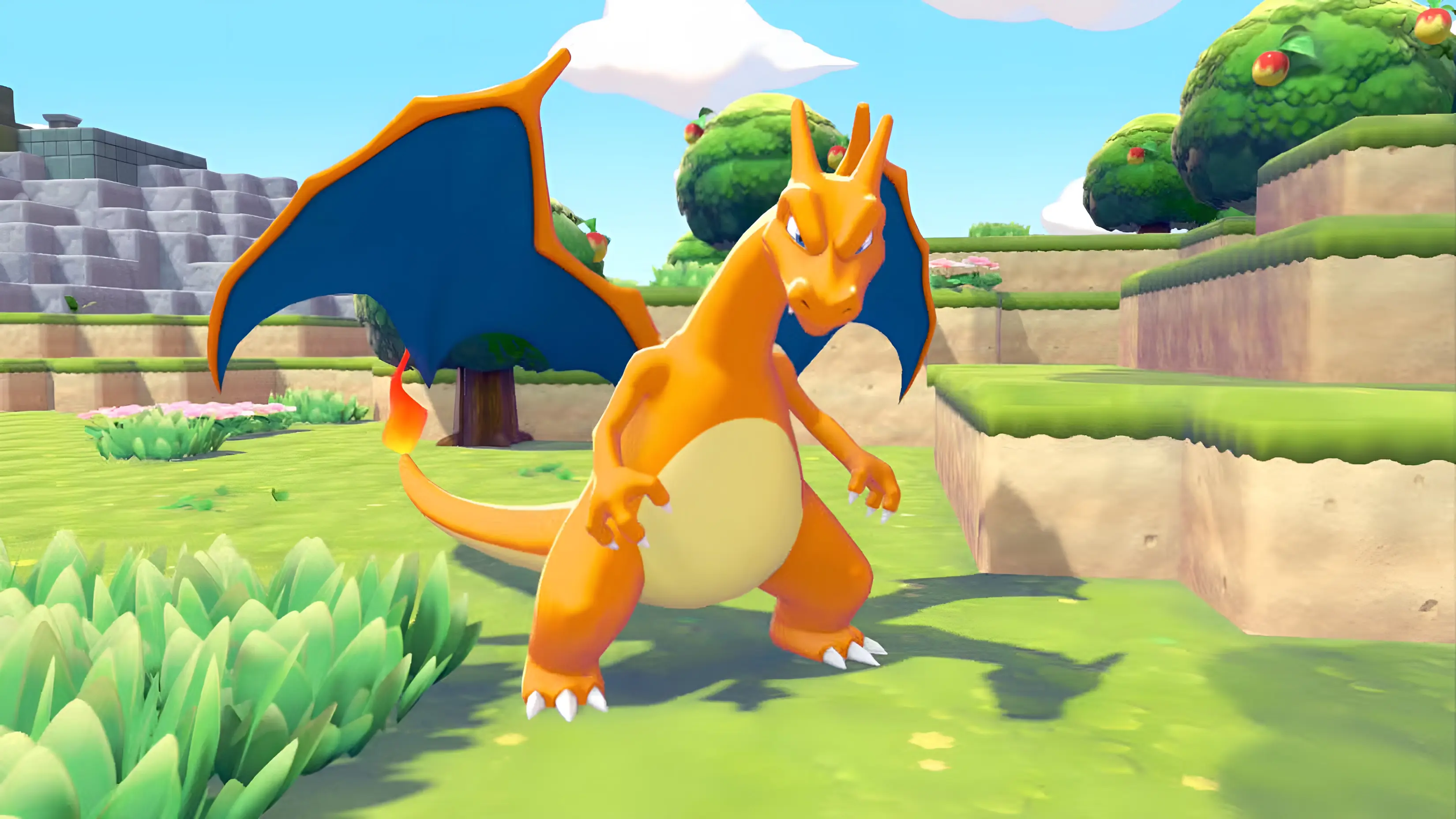
Built around Mega Charizard Y, this team overwhelms opponents with boosted Fire-type attacks while Whimsicott handles Tailwind and speed control on the side. Where Rain is mostly about keeping weather up for the whole match, Sun leans harder into immediate offense backed by good positioning and timely switches.
It asks a bit more of you than the previous two recommendations, but it stays approachable because the plan is easy to follow. Apply pressure, create matchups you can win, and force your opponent onto the back foot.
Recommended Team
| Role | Pokémon | Purpose |
|---|---|---|
| ⭐ Mega Evolution | Mega Charizard Y | Primary special attacker |
| 💨 Speed Control | Whimsicott | Tailwind support and utility |
| ⚔ Physical Attacker | Garchomp | Fast physical sweeper |
| 🛡 Pivot | Incineroar | Intimidate and board control |
| ⚔ Late-Game Cleaner | Kingambit | Powerful finisher |
| ✨ Special Support | Sylveon | Secondary special attacker and Dragon coverage |
Dedicated build guides for every Pokémon on this team are on the way.
Why This Team Works
Where Rain focuses on maintaining weather and the Balanced Team adapts to different matchups, the Sun Team combines Drought, Tailwind support, and immediate offensive pressure to overwhelm opponents before they have a chance to stabilize.
Whimsicott is the engine behind the strategy. Setting Tailwind lets your slower attackers move first for several turns, which gives you a real chance to remove key threats before your opponent can respond. Learning when to pull that trigger is one of the bigger skills this team teaches.
Mega Charizard Y is the main weapon once Tailwind is active. Its Drought ability brings the sun the instant it Mega Evolves, and with Tailwind backing it up, opponents have a hard time stopping its Fire-type attacks, especially once their usual answers are gone.
Garchomp brings immediate pressure and solid type coverage. With Tailwind support, it can threaten faster Pokémon that would otherwise force it to play cautiously.
Incineroar earns its spot again through Intimidate and reliable pivoting. Good Sun play often means repositioning instead of attacking every single turn, and Incineroar makes that possible.
Kingambit closes things out. Once the opponent's defensive answers are worn down, it can clean up a match and often forces tough decisions in the final turns.
Sylveon rounds out the team with dependable special damage and Dragon-type coverage that helps protect your offensive core.
How to Play This Team
Your opening turns should focus on setting up control rather than chasing an immediate knockout.
Look for safe windows to get Tailwind up while keeping your key attackers alive. Once it is active, identify the opponent's biggest threats and remove them before the Speed advantage runs out.
Unlike Rain, where the main concern is keeping weather active, this team is all about timing. Setting Tailwind too early wastes valuable turns, and waiting too long can let your opponent take control of the match.
The more reps you get, the better you will be at spotting the right moment to switch aggressively, protect your key Pokémon, and cash in on that temporary Speed lead.
Is the Balanced Team better than Rain or Sun?
Not necessarily, but it is the best place to start. The Balanced Team teaches positioning, switching, and identifying your win condition without relying heavily on weather. Once those fundamentals become second nature, transitioning to Rain or Sun teams becomes much easier.
| Strengths | Weaknesses |
|---|---|
| Teaches one of competitive Pokémon's most valuable mechanics | Success depends heavily on good Tailwind timing |
| Strong offensive momentum once Tailwind is up | A mistimed setup can shift momentum fast |
| Flexible enough for a wide range of matchups | Less forgiving than the Balanced Team |
| Encourages sharper positioning and turn planning | Requires better prediction as you climb |
Which Beginner Team Should You Choose?
Which team to build really comes down to how you want to learn Pokémon Champions.
| Team | Difficulty | Recommended For |
|---|---|---|
| Balanced Team ⭐ | ★☆☆☆☆ | New players learning the fundamentals |
| Rain Team | ★★★☆☆ | Players interested in weather-based offense |
| Sun Team | ★★★☆☆ | Players ready to learn advanced positioning and Speed control |
If this is your first real run at competitive play, start with the Balanced Team. It has the most forgiving learning curve and covers the core mechanics you will use in almost every match.
Once switching, positioning, and Mega timing start to feel automatic, move on to Rain or Sun and start exploring the more specialized side of the format.
No single team wins matches on its own. Understanding what your Pokémon are supposed to do, recognizing your actual win condition, and making consistent decisions turn by turn will always matter more than copying a tournament roster line for line.
As the Regulation M-B meta keeps shifting, we will keep updating this guide with new beginner recommendations and dedicated archetype breakdowns.
Frequently Asked Questions
What is the best beginner team in Pokémon Champions?
Our top pick is the Balanced Team. It teaches the core fundamentals of competitive play while still holding up in Regulation M-B.
Is Rain better than Sun for beginners?
Rain has a more straightforward game plan, but it demands careful weather management. Most new players will find the Balanced Team easier to learn before jumping into either weather archetype.
Which Mega Evolution should beginners use?
Mega Charizard Y and Mega Swampert are both good starting points. They hit hard, are easy to understand, and slot into multiple archetypes.
Can I swap Pokémon on these teams?
Yes. Treat these as starting points. As you unlock more Pokémon and get more experience, adjust them to fit your own playstyle while keeping the core strategy intact.
Are these teams good for Ranked Battles?
Yes. Every Pokémon and archetype here has seen real success in the current Regulation M-B competitive meta.
Continue Building Your Team
Want to take your team further? Check out our other Pokémon Champions guides:
- Best Charizard Build
- Best Garchomp Build
- Best Raichu Build
- Best Lucario Build
- Best Whimsicott Build (Coming Soon!)
- Best Incineroar Build (Coming Soon!)
- Best Rain Teams (Coming Soon)
- Best Sun Teams (Coming Soon)
- Team Building Guide (Coming Soon!)
- Regulation M-B Tier List (Coming Soon)
This guide reflects the current Regulation M-B metagame, based on ranked ladder and tournament usage data as of early July 2026. We will keep this page updated as balance patches and tournament trends reshape the format.