
Silent Hill: Townfall has had its biggest gameplay showcase so far. KONAMI took the game to Tokyo Game Show 2026 for a nearly 50-minute presentation, and it covered a lot: Simon Ordell exploring the Scottish island of St. Amelia, solving puzzles with the CRTV, dealing with hostile creatures and deciding when a fight is worth the trouble.
Series producer Motoi Okamoto appeared alongside horror creator and streamer Gatchman, who provided commentary. KONAMI also showed Japanese voice acting during the session. The game launches on September 24, 2026, for PlayStation 5 and PC, and a separate PlayStation Blog post from the developers explains how the PS5 features feed into the horror.
A Nearly 50-Minute Look at Townfall
This wasn't a trailer built to set a mood. KONAMI used the time to show how several systems work at once during real exploration. Simon moves through St. Amelia, investigates the island, uses the CRTV to solve puzzles, and runs into combat and stealth situations along the way.
The game is played from a first-person perspective, so Simon's immediate surroundings fill the screen while everything outside that view stays hidden. That makes sound matter a lot more, especially when an enemy is close but out of sight. It's a simple change with big consequences for how tense a corridor can feel.
St. Amelia Is a Scottish Town With a Troubled Past
St. Amelia is a fictional island off the coast of Scotland, and the story takes place in 1996. Simon arrives and gets pulled into mysteries tied to the island, the people who live there and his own past. The developers drew on their own familiarity with Scottish landscapes and architecture, so the setting is meant to feel like a real place rather than a generic horror town with a Scottish name attached.
The TGS footage showed period-accurate machinery and other details that fit the 1990s. The PlayStation developers also say St. Amelia is deliberately unlike the fully decayed towns people associate with Silent Hill. It feels like a community that has recently been through something traumatic, not one left to rot for decades, and traces of the people who lived there are still around.
That changes the kind of exploring you do. You aren't walking through the remains of a place that vanished long ago. You're working out what happened to a living town and why it changed, and the buildings, objects and machinery all count as evidence.
The CRTV Replaces the Radio and Does Far More
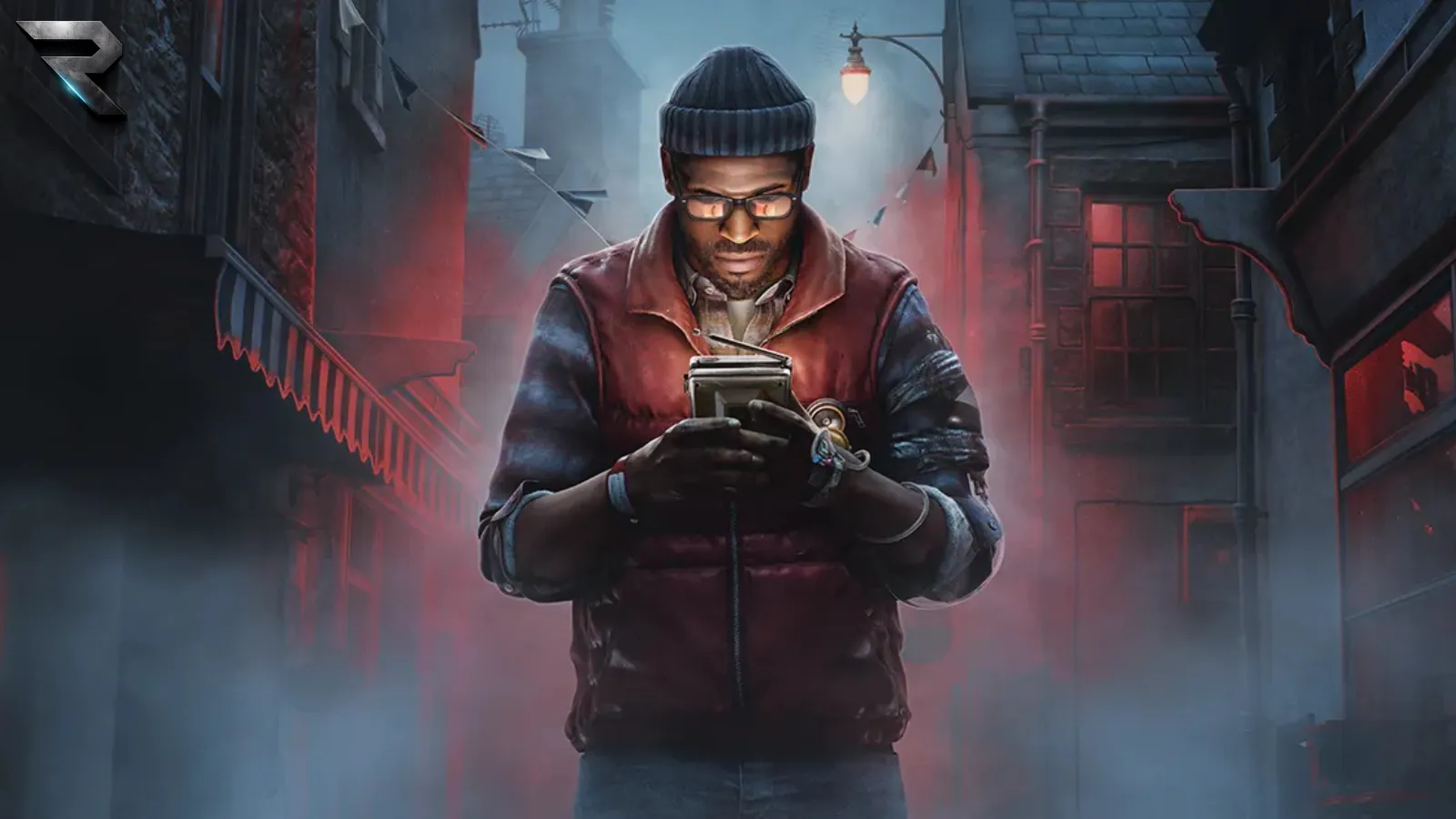
The biggest departure from the classic formula is the CRTV. Where the series used a radio to crackle when monsters were near, Simon carries a handheld device that receives different signals as he explores. Players hold it in one hand to scout roaming monsters, look for puzzle clues and dig into the island's secrets.
The developers say the idea came from asking what the old radio could become if it did more than warn you. The result is a tool you actively operate. Because Simon physically holds it in first person, using it feels more immediate than opening a menu.
The extended footage showed the CRTV working inside puzzles. Different signals reveal different information, so it isn't a simple proximity detector. Some of what it picks up connects to the history of St. Amelia, which ties the puzzles to the story. It can also give away creatures Simon can't see directly, and in a game that limits your view on purpose, that matters. You might hear something nearby without knowing where it is, and the CRTV can fill in part of the picture. Part of it stays vague on purpose, though. A signal can hand you half a clue and leave you to work out the rest.
Survival Means Knowing When to Fight
Townfall has both melee and ranged combat, but the presentation made clear that Simon isn't meant to clear every room. Enemies are dangerous, encounters can turn ugly quickly, and fighting is treated as a risk rather than the default answer.
The revolver from earlier footage is a good example. It gives Simon a real advantage against a creature, but firing it makes noise that can bring other threats running. Reloading is slow too, with cartridges going in one at a time. So killing one enemy might make the moment safer, or it might create a much bigger problem. Sometimes running or staying hidden is the smarter move.
Stealth Gives Simon Another Way Through
Simon has several ways to avoid a fight. He can hide in closets, sheds and behind partially open doors, and he can peek around or over objects to check an area before committing to a route.
Distractions are the other half of it. Bottles and bricks can be thrown to draw creatures away, and radios and televisions can be used to attract them as well. The CRTV adds to this by revealing creatures under certain signals, which helps you decide whether to move, hide or take a different path. A situation that looks like a combat encounter can turn into a chance to slip past instead. It fits the tone of the game. Simon isn't an action hero, and even with a weapon in hand you have to ask whether using it is worth what follows.
The Otherworld Turns St. Amelia Into Something Worse
The series' Otherworld returns in Townfall as a transformed version of the island. The normal St. Amelia has the grounded look of a struggling Scottish community. The Otherworld replaces it with red lighting, pipes, damaged structures, alarm lights and stained surfaces, giving everything an industrial and hostile feel.
It isn't just a darker filter on the same place. Spaces you've already seen suddenly read as threatening, and the difference supports the game's psychological horror. On PS5, ray-traced lighting is a big part of that. According to the developers, it lets the soft ambient glow of the foggy island react naturally to Simon's flashlight and to flashing alarm lights, and it also sells the jump from the blue-grey fog to the bright red Otherworld. Since visibility is limited by design, lighting helps decide what you notice and what stays hidden.
DualSense Haptics, Adaptive Triggers and Gyro
The PS5 version uses the DualSense to make Simon's surroundings feel physical. Haptic feedback responds when Simon swings a weapon or fires a gun, and it also carries the heavy footsteps of approaching enemies, so you can feel a threat getting closer before you see it. Adaptive triggers give each weapon a different weight, with firearms pushing back through the trigger.
Motion controls have a few jobs as well. The gyro can fine-tune the CRTV, aim firearms and manipulate the map, and it's used in some puzzle interactions too. The tuning is meant to feel like handling an old piece of technology while hunting for the right signal. Motion input is optional, and players who don't want it can change the relevant settings in the menu.
3D Audio Turns Sound Into a Survival Tool
With the camera limiting what you can see, the developers put a lot of work into custom 3D audio. Creatures can be heard before they appear, and environmental noise tells you what's happening elsewhere. Hearing footsteps from outside the frame forces a decision: investigate, hide or turn around.
The audio works alongside the DualSense haptics, so a creature's approach can be heard and felt at once. The PlayStation Blog post credits audio director Byron Bullock and composer Pilotpriest for the soundscape, and says silence, background noise and sudden shifts are used to build tension. Here, sound is information you need to stay alive, not decoration.
Story Told Through Puzzles and Exploration
Townfall doesn't deliver its mystery through cutscenes alone. The CRTV signals, environmental details and puzzles all hand out fragments of what happened on the island, and players are expected to piece them together. A puzzle can be a gameplay challenge and a story beat at once.
The developers describe the narrative as being about the relationships between individuals, corporations and society. Simon Ordell is at the center, and the official material names Zoe and Richard as important figures too. The PlayStation Blog teases the question of what all three have to do with St. Amelia but doesn't answer it, and the developers have kept most of it under wraps ahead of release.
Three Main Endings and a Secret One
The game has three main endings, and all three are available on the first playthrough. There's also a secret ending unlocked after finishing the game once. The ending you get isn't decided by one choice at the finish line. The developers say your actions across the whole playthrough contribute, so how you approach situations along the way matters. It also means you don't need to replay the entire game just to see the main conclusions.
Silent Hill: Townfall Release Details
| Detail | Info |
|---|---|
| Release date | September 24, 2026 |
| Platforms | PlayStation 5, PC |
| Developer | Screen Burn, produced in collaboration with KONAMI |
| Perspective | First-person |
| PS5 features | Ray-traced lighting, DualSense haptics, adaptive triggers, gyro controls, 3D audio |
Townfall moves the series to a Scottish island and a first-person view, but the horror still comes from not knowing what's next. The TGS session made one thing fairly clear: nearly everything, from the CRTV to the controller, is built to make you listen, search and second-guess before you act. Silent Hill: Townfall launches September 24, 2026, on PlayStation 5 and PC.