

Valve confirmed Steam Machine pricing on June 22, and the number everyone has been bracing for is now official. The cheapest configuration, 512GB with no controller, costs $1,049.
Four configurations are available at launch:
512GB, no controller: $1,049 / £879
512GB, with controller: $1,128 / £938
2TB, no controller: $1,349 / £1,149
2TB, with controller: $1,428 / £1,208
This is not a console price. It is barely a console price for two consoles. Valve spent years building hype around the Steam Machine as the device that would finally make living room PC gaming work, and the number it landed on puts that pitch under real pressure before a single unit ships.
Valve has been talking about the Steam Machine since late last year, and for most of that stretch the pitch was simple: a small, quiet PC built for the couch that would cost less than building one yourself. Today's numbers do not match that pitch. They match the reality of a component market that has gotten worse every month since the project was first announced.
Here is what is confirmed, what you are getting for the money, and why a brand new PC Gamer review out today is calling the value proposition a real problem.
The Steam Controller itself adds a flat $79 to whichever storage tier you pick, matching what Valve already charges for the controller as a standalone accessory. Buyers who go with either 2TB configuration also get two extra magnetic faceplates on top of the standard black one, a red fabric finish and a solid walnut finish.
Steam Machine Tech Specs
- CPU: Semi-custom AMD Zen 4 (6C / 12T), up to 4.8 GHz, 30W TDP
- GPU: Semi-custom AMD RDNA 3 (28 CUs), up to 2.45 GHz sustained clock, 110W TDP
- Memory: 16GB DDR5 + 8GB GDDR6 VRAM
- Power: Internal power supply, AC 110-240V
- Storage: 512GB NVMe SSD or 2TB NVMe SSD
- Expansion: High-speed microSD card slot on both models
Those numbers are worth sitting with for a second. The Zen 4 chip running at up to 4.8GHz gives the Steam Machine real desktop-class CPU performance, a tier above anything in the Steam Deck or a console's mobile-derived processor.
The RDNA 3 GPU at 110W and 2.45GHz is the part that matters most for gaming, and it lands in roughly the same territory as a Radeon RX 7600, a perfectly fine card from a couple of generations back but not a current-gen performer. Sixteen gigs of system memory plus a dedicated 8GB of GDDR6 for graphics is a sensible split, and the internal power supply means no bulky external brick cluttering up a media cabinet.
Storage tops out at 2TB of NVMe, with a microSD slot on both models for whenever that fills up. None of these are bad specs. They are mid-range specs, attached to a price tag that is not behaving like one.
How Buying One Actually Works
Valve is not running a normal first-come, first-served launch. Instead, anyone interested has to register for a reservation queue, and the people in that queue get randomly assigned a position rather than sorted by signup time. The window to join closes June 25, and the first wave of purchase invitations goes out June 29, with general availability landing June 30.
Valve has been upfront about why. The Steam Controller's standalone launch earlier this year turned into a mess of bots and resellers snapping up stock within minutes, and the random queue is meant to head off a repeat with much pricier hardware on the line. It also buys Valve a bit of room to keep validating supply before opening the floodgates.
What's Actually Inside the Box
Strip away the packaging and the Steam Machine is a genuinely compact gaming PC. It runs a semi-custom AMD Zen 4 chip with six cores and twelve threads, paired with an RDNA 3 GPU built on 28 compute units, roughly in the neighborhood of an older Radeon RX 7600. Memory is 16GB of DDR5 for the system plus 8GB of dedicated GDDR6 for the graphics side, and storage is NVMe with microSD expansion if you outgrow it.
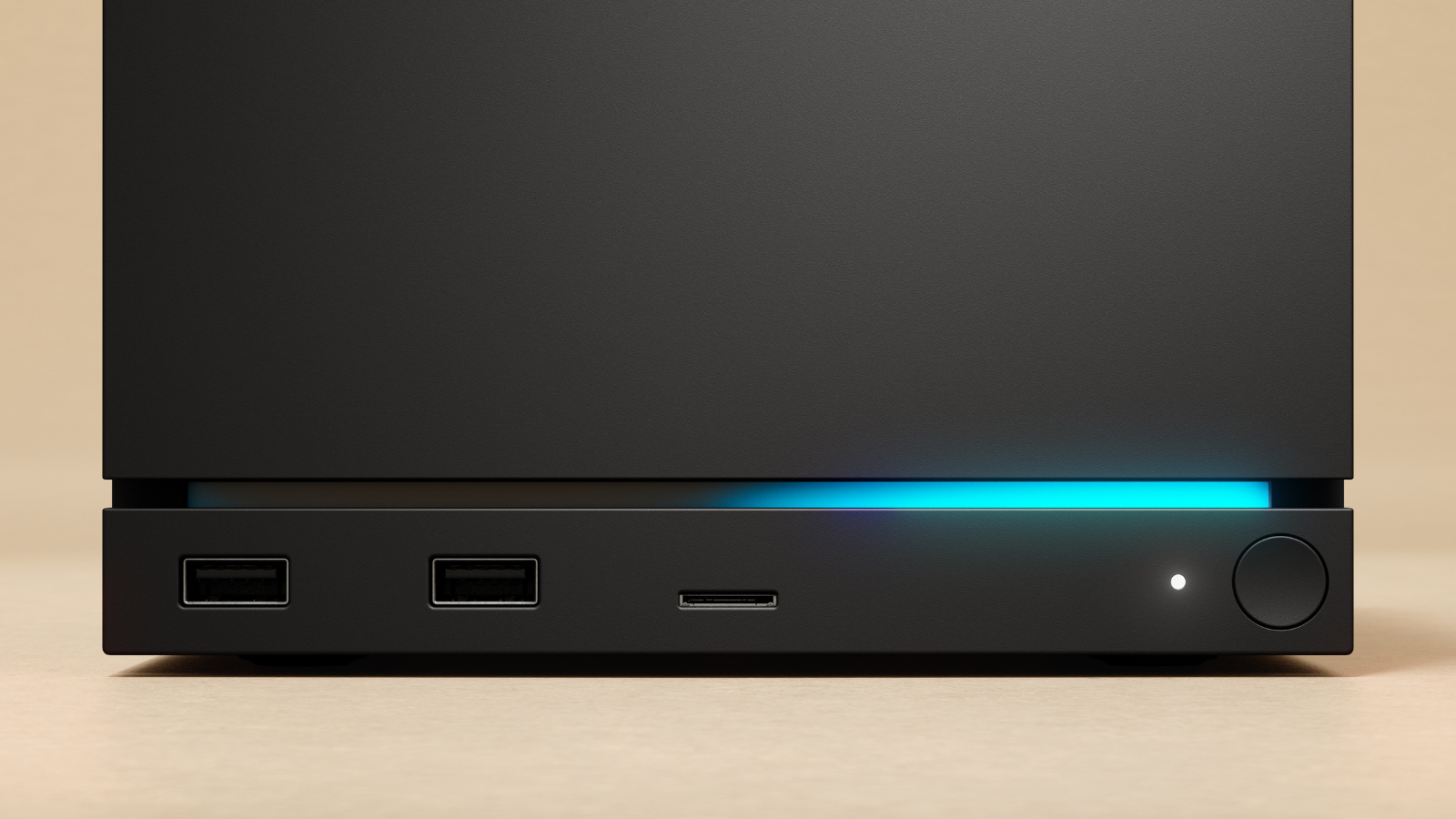
It runs SteamOS 3 rather than Windows, ships with Wi-Fi 6E, Bluetooth 5.3, and gigabit Ethernet, and the whole thing is housed in a roughly 6-inch cube with swappable faceplates. The bundled Steam Controller leans into Valve's usual approach with dual trackpads and gyro aiming, and it is built to work across the rest of the Steam hardware lineup too, not just this box.
On paper none of that is embarrassing. The problem is what it costs to get it, and what that money buys you next to everything else on the market right now.
The Math Doesn't Add Up
PC Gamer published its review today and landed on a 62 out of 100, summing the whole thing up as a wonderful design that cannot outrun the realities of pricing, performance, and value. That is not a small disagreement over nitpicks. It is a direct shot at whether the Steam Machine is worth buying at all right now.
The benchmarks back up the score. Avatar: Frontiers of Pandora at 1440p Ultra settings averages just 21 fps on the Steam Machine. Cyberpunk 2077 at 1440p with ray tracing on Medium and FSR set to Quality comes in around 28 fps. Neither number is playable by most people's standards, and these are not unusually demanding outliers. They are recent, popular, mainstream releases.
The comparison that really stings is the Minisforum AtomMan G1 Pro, a mini PC built around an RTX 5060 that currently costs only about $11 more than the 2TB Steam Machine bundle. According to PC Gamer's testing, the G1 Pro beats the Steam Machine by 58 frames per second on average across its benchmark suite, and more than doubles its frame rate in that same Avatar test. Even a Lenovo Legion Tower 5i running an older RTX 4060 manages to outpace the Steam Machine comfortably. That is a budget desktop with last generation parts beating Valve's purpose built console replacement almost everywhere it was tested.
Where It Actually Wins
None of this means the hardware is a disaster across the board. Thermals and noise are genuinely strong. PC Gamer found the Steam Machine runs noticeably cooler and quieter than the AtomMan G1 Pro when both are pushed hard, and for something meant to sit under a TV in a living room, that quiet operation matters more than it sounds like it should. The cube design itself also gets praise as sleek and unassuming, the kind of box that does not look out of place next to a soundbar.
So this is not a hardware embarrassment in the way a defective console launch would be. It is something narrower and arguably more frustrating: a well built, well engineered box that the market has priced itself out of justifying.
Software Still Has Rough Edges
SteamOS adds its own friction on top of the hardware story. The review describes setup quirks and a menu system that takes longer to learn than it should, plus Proton compatibility hiccups that show up in real games. Baldur's Gate 3 reportedly crashed on the system until a workaround was applied, which is not a great look for one of the biggest RPGs of the last few years running on hardware Valve controls top to bottom.
These are the kinds of issues that tend to improve with patches over the following months. They are still issues at launch, on a device asking for over a thousand dollars.
Blame the RAMpocalypse
None of this was the plan. When Valve first detailed the Steam Machine, the company was reportedly targeting something in the $600 to $700 range, a price that would have made the value conversation completely different. Then memory prices took off. DRAM and NAND costs have climbed more than 170 percent year over year as AI server demand soaked up manufacturing capacity that used to go toward consumer parts, and Valve has said plainly that the shortage forced a full rethink of both pricing and shipping timelines. The Steam Deck went through the same squeeze earlier this year, jumping from $649 to $949 for comparable configurations.
So the Steam Machine is not overpriced because Valve got greedy. It is overpriced because the entire component market got more expensive at the worst possible moment for a device that was always going to be a tough sell on value.
How It Stacks Up Against Consoles
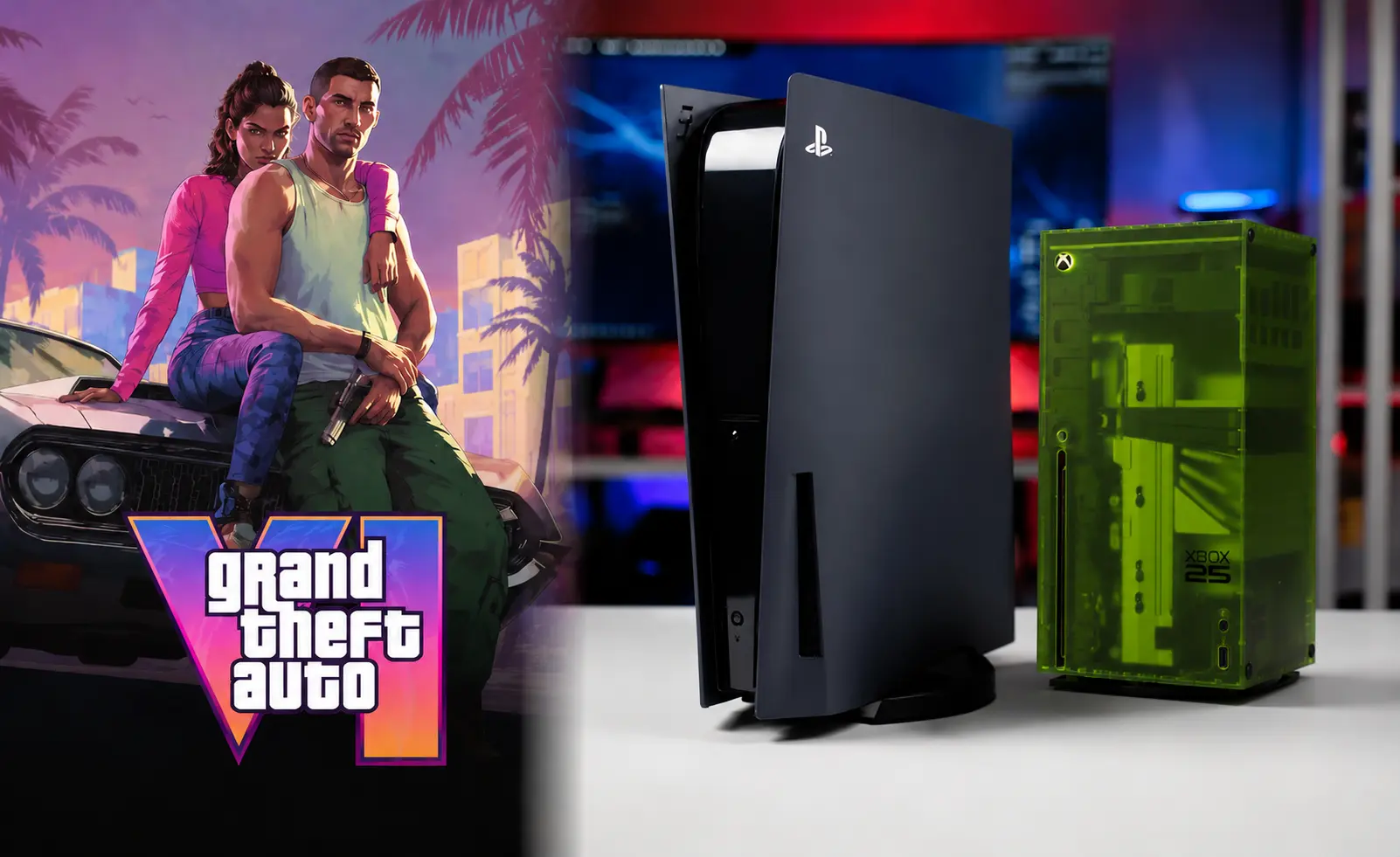
The console comparison is worth making explicit, because that is the shelf Valve wants this thing sitting on. A PS5 or Xbox Series X, both of which have also climbed in price this year thanks to the same memory shortage, still cost meaningfully less than even the base 512GB Steam Machine, and both run a far deeper library of games without any Proton translation layer sitting in between. If your goal is simply playing games on a TV without fuss, a current-gen console is still the easier and cheaper path, RAM crisis or not.
That leaves the Steam Machine in an odd middle spot. It is pricier than a console and weaker than a comparably priced PC. Valve is betting that SteamOS familiarity, the existing Steam library, and the living room form factor are enough to carry it anyway. That is a real bet, not a guaranteed loss, but it is a much harder sell than the one Valve was originally setting up to make.
What This Means for Gamers
If you have been saving up for a Steam Machine since the announcement, today's numbers are going to hurt. A box that was supposed to undercut a gaming PC now costs roughly the same as building one yourself, minus the flexibility of choosing your own GPU. And right now, for not much more money, you can buy a mini PC with a real RTX 5060 inside that will outperform it in almost every game that matters.
The counterargument is that you are not just buying frames per second. SteamOS, the quiet thermals, the living room form factor, and Valve's long term software support count for something if that is specifically what you want. But "specifically what you want" is a much smaller audience than the one Valve was originally chasing with a sub-$700 console killer.
Reservations open in three days. Whether enough people are willing to pay four figures for a 21 fps Avatar benchmark is the actual story here, and we will not know the answer until the queue starts moving.