
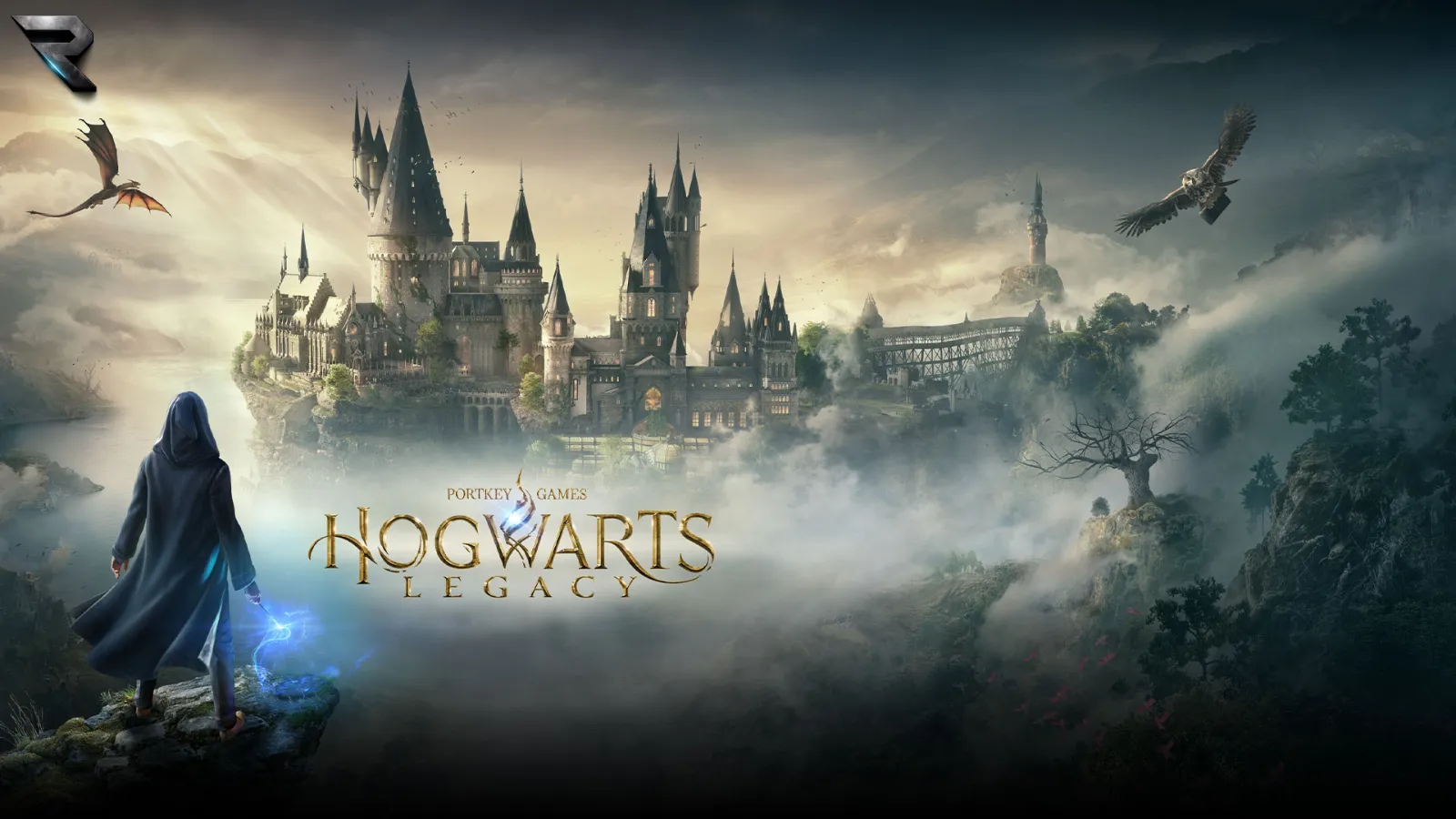
Warner Bros. Discovery has officially acknowledged that a Hogwarts Legacy sequel is in development. That much has been rumored for a while. What actually matters here is where the confirmation showed up: buried inside an earnings report, next to a description of how the company plans to run its entire games division going forward.
In its second-quarter 2026 shareholder letter, Warner Bros. Discovery called Games an important growth lever for its Studios business and laid out a strategy built around four franchises the company values at more than a billion dollars each, with tighter, more deliberate investment behind them. Hogwarts Legacy 2 is one of the projects sitting inside that pipeline, and the company says it expects Games to contribute more meaningfully to Studios profitability as that pipeline plays out.
Warner Bros. Is Choosing Fewer, Bigger Bets
Warner Bros. Games has one of the deepest IP libraries in the industry. Harry Potter, DC, Mortal Kombat, LEGO, Game of Thrones, the company could theoretically greenlight games under any of those names whenever it wants. Owning the rights has never been the hard part. Turning that ownership into games people actually want to play has been the harder problem, and the shareholder letter reads like an admission of that.
The letter describes the plan as "disciplined investment behind fewer, higher conviction titles," language that sounds dry until you notice what it rules out. It rules out flooding the release calendar with mid-budget licensed games hoping a few land. Instead, Warner Bros. is picking projects where the underlying franchise already has proof it can carry a major release, and Hogwarts Legacy is close to the cleanest example the company has.
The original game did something Warner Bros. hadn't managed with Harry Potter before. It built a new, standalone success out of the Wizarding World without adapting a single book or film directly, an open-world action RPG set in the 1800s that let players build their own witch or wizard and just live at Hogwarts for a while. That game worked. Now the company wants a second one to prove it wasn't a fluke.
Hogwarts Legacy 2 Sits Inside a Much Bigger Plan
None of this is the first time Warner Bros. has acknowledged a sequel exists. Reporting on a follow-up project has circulated for a while, along with talk of the games team coordinating with the upcoming Harry Potter TV series on HBO Max. What changes here is the context the sequel is being discussed in.
This isn't a case of Warner Bros. announcing that a hit game is getting a follow-up, the way most sequel news gets framed. It's Warner Bros. telling its investors that Games needs to become a bigger contributor to Studios profitability, and pointing at Hogwarts Legacy 2 as one of the projects meant to make that happen. That's a different kind of confirmation. It tells you how the company is thinking about the game internally, not just that the game exists.
And the opportunity is fairly obvious once you frame it that way. The first Hogwarts Legacy proved the Wizarding World could support a full-scale original RPG outside the stories fans already know from the books and movies. A sequel gives Warner Bros. a shot at turning that into something closer to a recurring pillar rather than a one-off hit, which lines up neatly with the "fewer, higher conviction" framing from earlier in the letter.
The New Strategy Has Already Shipped Two Games
The shareholder letter is worth reading past the Hogwarts Legacy line, because it also names the first two releases under this refocused approach: LEGO Batman: Legacy of the Dark Knight and Game of Thrones: Dragonfire. Warner Bros. called LEGO Batman the highest-rated LEGO game the studio has ever put out, and Dragonfire marks its second mobile game built inside the Game of Thrones universe.
Neither of those is a random pick from the vault. LEGO Batman pairs one of the biggest entertainment brands on the planet with a gaming partnership Warner Bros. has run for close to two decades. Dragonfire takes a television universe that's technically finished as a show and keeps it earning somewhere else. Add Hogwarts Legacy 2 to that list and a pattern starts to form: Warner Bros. wants its strongest franchises doing more work across more of the company, not just sitting on a shelf waiting for the next movie.
Harry Potter Is Bigger Than the Game
Zoom out from gaming and the Harry Potter side of Warner Bros. Discovery's plans gets even busier. The company expects its upcoming Harry Potter series on HBO Max to drive more demand for Harry Potter experiences and merchandise, and it's already got physical expansion lined up: a new Harry Potter Tour planned for Shanghai next year, and Harry Potter Land in Abu Dhabi a few years after that.
Stack it up and the Wizarding World is currently being worked from every angle Warner Bros. Discovery has available. A TV series. Physical attractions. Merchandise. And now a second entry in the company's newly disciplined games pipeline. The shareholder letter doesn't say any of this is being timed to launch together, and nothing in it suggests a coordinated release event. But it does make clear how much weight Harry Potter is still pulling for the company, gaming included.
Why Warner Bros. Wants Games to Matter More Financially
The financial framing might be the most telling part of the whole letter. Warner Bros. Discovery says Games remains an important growth lever on the way to its long-term Studios goals, and that it expects Games to contribute more meaningfully to segment profitability as the pipeline expands. Put plainly, the company isn't treating its games division as a side project that happens to make things based on its bigger franchises anymore. It's treating games as a real lever on those franchises' value.
There's a straightforward reason for that shift. A successful game doesn't disappear after launch week the way a lot of other media does. It can pick up expansions, land on new platforms years later, and pull in fresh audiences long after the initial release. The original Hogwarts Legacy is a decent case study here. Warner Bros. Games kept bringing it to new platforms well after launch, including a Nintendo Switch 2 release, which stretched the game's earning window far past its opening weekend. A sequel is a chance to run that same playbook again, presumably at a bigger scale.
What We Still Don't Know
For how much the shareholder letter reveals about strategy, it says almost nothing about the sequel itself. There's no release date. No gameplay footage. No platform list. No confirmed story details, and no reveal event has been scheduled either.
That's worth being clear about, because it's easy to read this as a full announcement when it's really closer to a confirmation that the project is active and considered important enough to mention to investors. Everything past that, the setting, the timeframe, whether it stays true to the original's open-world formula, is still speculation until Warner Bros. says otherwise.
The Bottom Line
Warner Bros. Discovery's Q2 2026 shareholder letter confirmed Hogwarts Legacy 2 is in development, framed inside a new Warner Bros. Games strategy centered on four franchises valued at more than a billion dollars each. The first two releases under that approach, LEGO Batman: Legacy of the Dark Knight and Game of Thrones: Dragonfire, are already out, with Hogwarts Legacy 2 positioned as one of the next major projects in the pipeline.
No release date, platforms, or story details have been shared for the sequel. Warner Bros. is also expanding the Wizarding World outside gaming, including an HBO Max series, a Harry Potter Tour in Shanghai, and Harry Potter Land in Abu Dhabi.
Note: This article will be updated if Warner Bros. Discovery shares further details on Hogwarts Legacy 2.