

Xbox just rewired a large chunk of its first-party operation. In a post published earlier today, Xbox game content and studios boss Matt Booty confirmed another 268 role cuts, handed the next Halo to a newly formed team inside Activision, and merged Playground Games with Turn 10 into a single studio. Ninja Theory is heading into consultation over a proposed closure.
None of this is happening in isolation. Microsoft says the moves are part of the reset it announced back in June, and that the whole process is now roughly three-quarters finished.
Xbox Is Betting on Fewer, Bigger Units
Look past the individual studio changes and a single strategy shows up everywhere. Activision now covers Rare, World's Edge and the next Halo on top of its own output. Bethesda has absorbed Obsidian. King has taken over Microsoft's Casual Games arm. Playground Games and Turn 10 are now one studio. Booty's post frames the goal as aligning teams that already work together while concentrating publishing expertise in fewer places. Whatever you call it, Xbox is trying to run its first-party side with fewer, larger organizations instead of a long list of individually managed studios.
The New Studio Map
Here's how the org chart looks after today's changes:
- Activision: adds Halo, Rare and World's Edge to its existing lineup.
- Bethesda: adds Obsidian to its remit.
- King: now oversees Microsoft Casual Games.
- Playground Games and Turn 10: combined into one studio built around Forza and Fable.
- Undead Labs: moved to a new publisher, though State of Decay 3 keeps its day-one Game Pass slot.
- Ninja Theory: in consultation over a proposed closure after two deals fell through.
- Arkane: still in consultation, expected to run through the end of 2026.
- Halo Studios: kept on as a smaller team supporting existing Halo games and the community.
Xbox isn't just trimming headcount here. It's redrawing who owns what, and Halo is the clearest example of that.
Halo's Two-Track Future
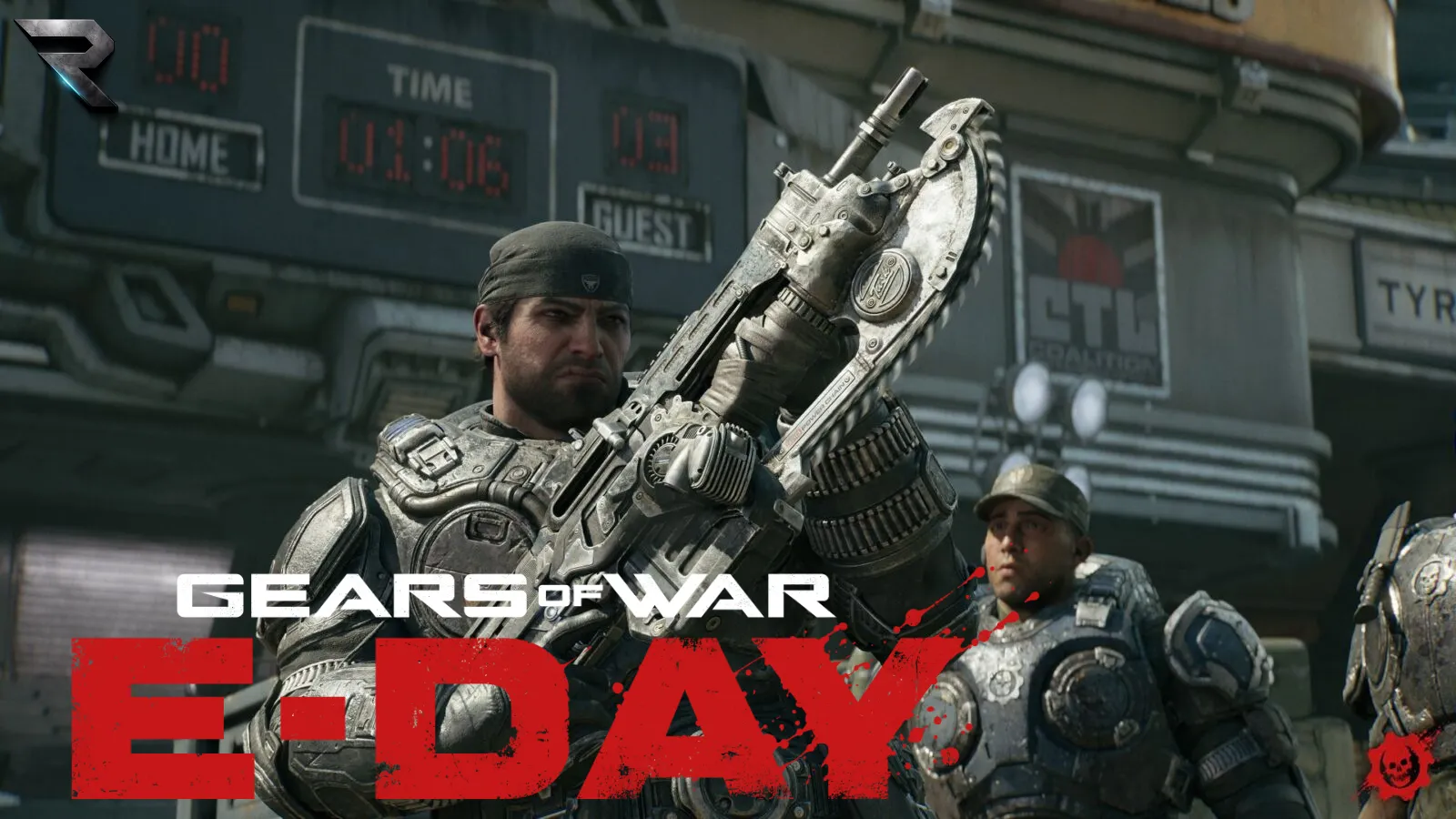
Activision is building the next Halo with a purpose-built team, and Xbox is specific that it's separate from the studio's Call of Duty work. That distinction matters. This isn't an existing Call of Duty team getting reassigned, it's a new group formed specifically for Halo.
Halo Studios isn't disappearing either. A smaller team stays in place to support the community and the games already out. So the franchise now runs on two tracks: the existing ecosystem stays with Halo Studios, while the next major entry moves to a studio that has never been Halo's home before. For a series that has always had its own dedicated Xbox studio, that's a real shift in how the franchise gets made.
Activision Becomes a Publishing Hub
Halo is only part of what Activision is picking up. Rare, known for Sea of Thieves, and World's Edge, which runs Age of Empires, both fall under Activision's umbrella now too. None of this makes Sea of Thieves or Age of Empires an "Activision game" in any creative sense. It's an organizational change. More of Xbox's first-party publishing now runs through Activision, which makes its role inside Microsoft's gaming business a lot bigger than just Call of Duty and its own franchises.
Activision Responds to Its Expanded Xbox Role
Activision has now weighed in directly on its expanded role at Xbox, responding after taking over Halo, Rare and World's Edge. It called the move both an honor and a responsibility, pointing to the history behind the franchises and teams now joining its organization.
On Halo, Activision keeps the goal simple: make the greatest Halo game ever, while staying true to the universe, legacy and qualities that made the franchise connect with players. The company says it has already started assembling a team built specifically for the job, describing it as a group put together around a distinct mix of capabilities and talent.
That framing matters. Activision isn't treating the next Halo as a project handed off to an existing Call of Duty team. It's building something new around the franchise, and it says it plans to work closely with Halo, Rare and World's Edge as all three settle into the new structure.
That leaves Activision with a tall order: give one of Xbox's most recognizable franchises a new chapter without losing what made it work in the first place.
Playground Games and Turn 10 Become One Studio
Turn 10 built Forza Motorsport. Playground Games built Forza Horizon and is currently working on Fable. Xbox says the two teams have been technical and creative partners for more than a decade, and now they're formally one studio, with Forza and Fable as its focus.
That's more than an org chart update. It puts two major franchises that used to have separate development structures under one roof, and it changes how Xbox can run its racing portfolio going forward. Microsoft hasn't said Forza Motorsport is cancelled, and it hasn't said Fable is delayed. What's confirmed is the studio structure itself.
Bethesda Adds Obsidian
Bethesda is also growing. Obsidian now falls under its remit, though Xbox is careful to note that Obsidian keeps working on its current projects, including Grounded, plus the new Fallout project it's building alongside Bethesda Game Studios. Bethesda and Obsidian already had ties through Fallout, so folding Obsidian into Bethesda's org makes sense on paper. It's a management change, though, not a statement about Obsidian ceasing to operate as its own team.
King Takes Over Casual Games
The restructuring reaches past console and PC too. King is absorbing Microsoft's Casual Games organization, which Xbox describes as bringing together two major players in casual game design and live operations. It's a reminder that Microsoft's gaming business now spans console, PC, mobile and cloud, and that a mobile-and-casual portfolio needs a different kind of organization than a traditional console studio does.
Not Every Studio Is Staying
Consolidation is only one half of the reset. Compulsion Games and Double Fine already returned to independent management earlier this year, keeping their IP, back catalogs and funding to keep operating. Undead Labs has now made a similar move, shifting to a new publisher. State of Decay 3 isn't affected by that change. It's still planned as a day-one Game Pass release.
Ninja Theory Faces Consultation Over a Proposed Closure
Ninja Theory is in the roughest spot. Xbox says two separate agreements involving the studio fell through, and the company is now starting consultation with employees over a proposed closure while it keeps looking for other options. It's worth being precise here: Xbox hasn't said Ninja Theory is closed, only that it's in consultation over a proposal to close it. The timing stings a bit too, since Ninja Theory only recently revealed Senua, its next project following Hellblade II.
Arkane Is Still Waiting on an Answer
Arkane's situation is different again. Its consultation process has been running for a while, and Xbox expects it to continue through the end of 2026. Like Ninja Theory, nothing here is finalized yet, and neither studio should be treated as closed until Xbox says so directly.
268 More Roles Cut
On the numbers: Xbox is cutting 268 roles across Halo Studios, its other first-party studios, and the management and central functions layer of Xbox Game Studios. That's on top of what Microsoft announced in July, when it expected around 3,200 role reductions across fiscal year 2027, with roughly 1,600 of those happening immediately alongside the studio divestitures. Xbox says everything completed since July, including today's changes, puts the overall restructuring at roughly three-quarters done.
Also Read:Xbox CEO Asha Sharma Personally Answers Player Support Tickets to Understand What's Broken
Why Xbox Says It Needed This
None of this is coming out of nowhere. Back in June, Xbox said its studio system had grown faster than it could manage while the number of games across the industry kept climbing. The company admitted it had spread itself thin chasing subscriptions, streaming and multiple hardware bets at once, and that some of its biggest franchises hadn't gotten the investment they needed to actually compete. September's changes are the next step in fixing that, not a separate cost-cutting exercise.
What Changes for Xbox's Franchises
| Franchise | What's Confirmed |
|---|---|
| Halo | Next game moves to a new, purpose-built Activision team; Halo Studios keeps a smaller team on existing games and the community. |
| Forza | Playground Games and Turn 10 are now one studio built around it. |
| Fable | Stays with the combined Playground Games and Turn 10 studio. |
| Fallout | Obsidian's new Fallout project continues alongside Bethesda Game Studios. |
| State of Decay | Undead Labs moved to a new publisher; State of Decay 3 keeps its day-one Game Pass release. |
| Senua | Ninja Theory's future is uncertain amid consultation over a proposed closure. |
| Arkane's games | Consultation ongoing, expected to run through the end of 2026. |
Everything beyond that is speculation until Xbox says otherwise.
The Next Update Lands October 6
Booty says Xbox will hold an ALL-XBOX town hall on October 6 to look back at the restructuring so far and forward to what he's calling one of the strongest game lineups in the company's history. After that, the conversation probably shifts from individual studio announcements to whether this new structure actually delivers.
A Different Kind of Xbox Strategy
For most of the Xbox era, growth meant expansion: buying studios, adding franchises, building out console, PC, mobile and cloud all at once. This reset runs the other way. Xbox is grouping studios together, moving responsibilities between divisions, letting some teams go independent, and in the hardest cases, weighing whether certain studios stay part of the company at all.
Activision taking over the next Halo is the headline. The bigger story is the smaller, more concentrated organization Xbox is building around it, and what its biggest franchises actually look like once that structure gets put to work.