

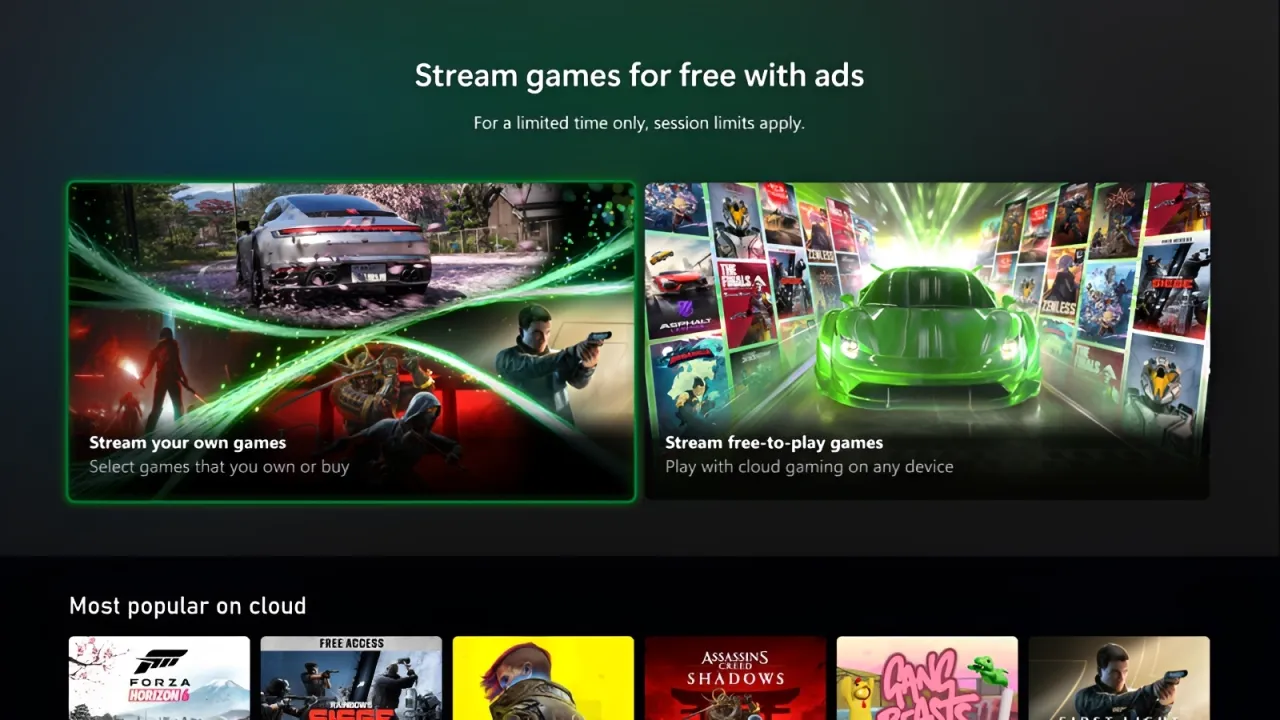
Microsoft has quietly started letting a small group of Xbox Insiders stream games without paying for Game Pass at all. In place of a monthly fee, players watch one short ad before the game loads, and from that point on, nothing else interrupts the session. It is a straightforward trade, and until now, most of what we knew about it came from Microsoft's own announcement rather than anyone actually using it.
That changed once early footage of the test started circulating. An Xbox Insider based in Brazil recorded the entire process from start to finish, and the clip answers most of the practical questions players have been asking, including how long the ads run, how long a session lasts, and what happens once that hour runs out.
How Xbox's Ad-Supported Cloud Gaming Works
Microsoft frames this as an experiment aimed at opening up Xbox Cloud Gaming to people who would not otherwise pay for a subscription. Eligible testers can stream titles they already own, along with any free-to-play games the program supports, once they sit through a short ad before launch.
The key detail Microsoft has been clear about is that the ad only shows up before gameplay starts. There is no mid-match interruption of the kind you might expect from a mobile game, and once the session begins, it plays out exactly like a normal cloud streaming session, aside from the fixed time limit. Here is what the test currently includes:
- Free cloud gaming access for eligible Xbox Insiders
- No Game Pass requirement
- Short advertisement before gameplay
- No advertisements during gameplay
- One-hour streaming sessions
- Limited availability while testing continues
Microsoft says the program will keep changing shape as it collects feedback from the Insider group, so none of these numbers should be treated as final.
First Real-World Test Shows Exactly How It Works
Microsoft's announcement gave a broad outline, but it did not show what the process actually feels like from a player's side. That gap got filled once Xbox Insider JonyMzs posted footage of the feature in action, using Fortnite to walk through the entire flow from launch to gameplay.
Based on that footage, a player opens the free tier and lands in a queue that lasts around one minute. Once that clears, a 30-second Xbox-branded ad plays, and notably, it promotes Xbox's own games rather than any outside sponsor. After the ad finishes, Fortnite opens normally, and a notification confirms that the one-hour clock has started.
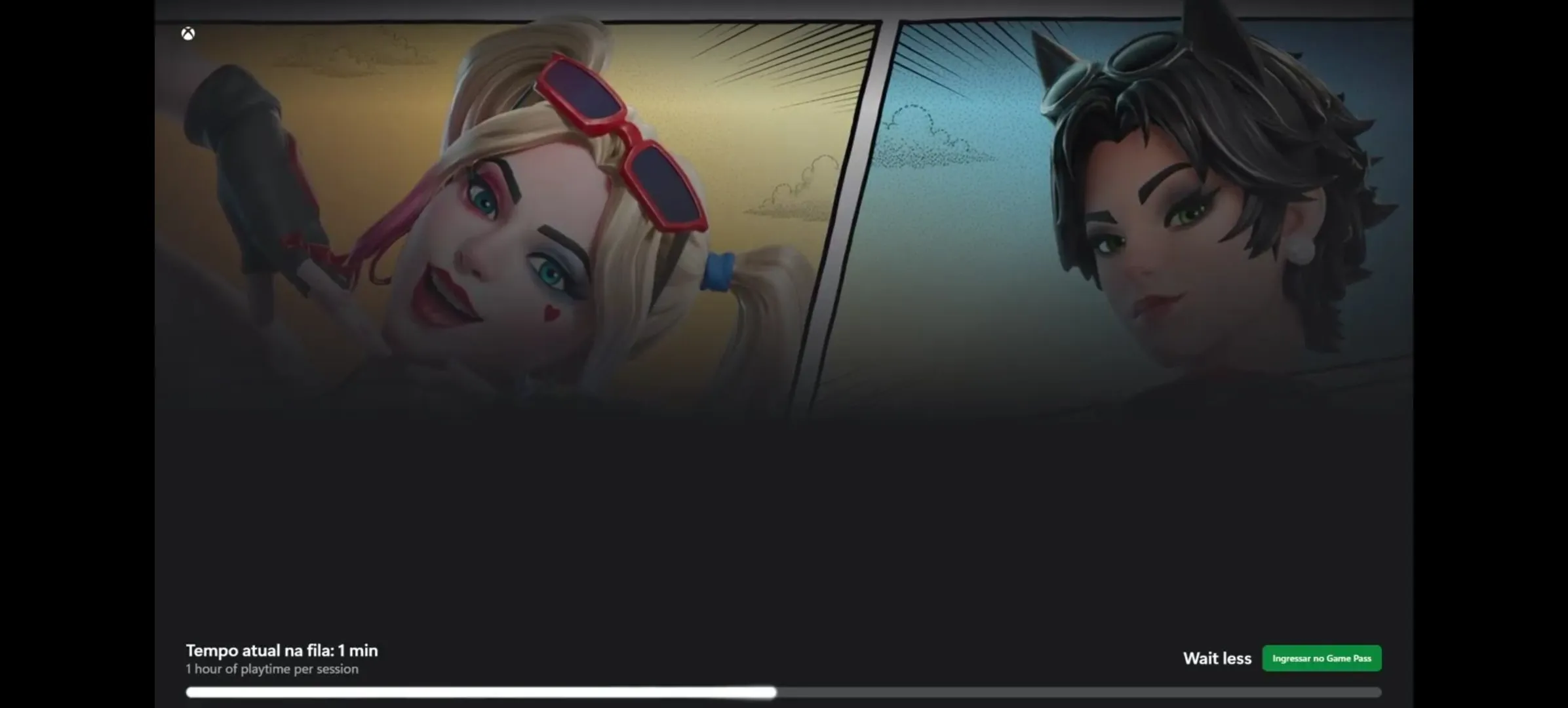
JonyMzs summarized the run in an auto-translated post shared alongside the clip, describing the process as a first free test of Xbox Cloud Gaming with ads, run on Fortnite with no Game Pass plan attached to the account, resulting in about a minute in queue, a 30-second ad before the game opened, and an hour-long session starting from that point.

The footage also indicates that once a session ends, players can jump straight into another one, though they have to go through the queue and watch another ad first.
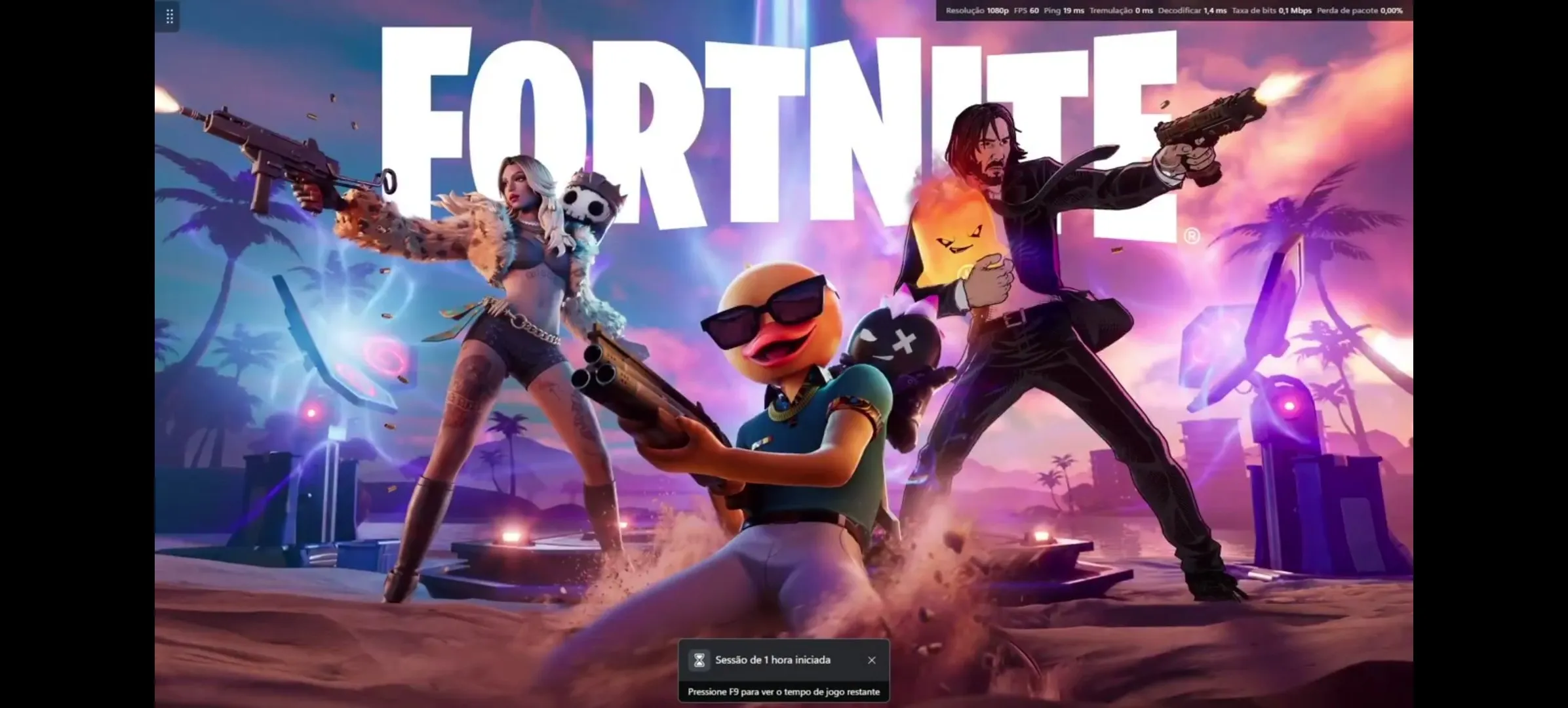
The one real catch here is the fixed hour, since anyone deep into a longer multiplayer match could get cut off the moment the timer runs out.
Game Pass vs Free Cloud Gaming
What stands out in the footage is how openly Xbox positions Game Pass as the better option rather than trying to hide it. While users wait in the queue, a prompt reading "Wait less, Join Game Pass" appears on screen, reminding testers that paying subscribers skip the line entirely and never see an ad.
That sets up two clearly separate paths into Xbox Cloud Gaming:
| Free Ad-Supported Tier | Xbox Game Pass |
|---|---|
| Watch a short advertisement | No advertisements |
| Queue before playing | Faster access |
| One-hour sessions | Standard cloud gaming experience |
| No subscription required | Monthly subscription required |
Rather than pulling attention away from paying subscribers, Microsoft appears to be treating the free tier as both a way to widen access and a soft pitch for Game Pass itself.
Why Microsoft Is Testing This
Cloud gaming on Xbox has always been locked behind a subscription, which meant Game Pass was really the only door in. This test opens a second one.
Instead of requiring every single player to sign up for a monthly plan, Microsoft can let people stream games occasionally in exchange for a short ad each time. It is a familiar setup if you have used any ad-supported streaming service for movies or TV, where free viewers trade a bit of their time for access while paying members get the smoother version.
If it works, this approach could bring cloud gaming to a much wider group of players, particularly casual users who only play now and then, or anyone who has been reluctant to commit to a recurring subscription just to try streaming.
What This Could Mean for Xbox Cloud Gaming
For a feature still in early testing, Microsoft's approach here is fairly restrained. The ad appears once, before the session starts, and stays out of the actual gameplay entirely, which is likely to land well with players who worry about interruptions during competitive matches or narrative-heavy games.
The one real friction point is the hour cap. That is plenty of time for a quick session, but anyone settled into a longer multiplayer match in a game like Fortnite could find themselves disconnected mid-match once the timer hits zero.
Even with that limitation, the overall design feels less aggressive than a lot of players expected going in. If Microsoft sticks with this format as the test expands, ad-supported cloud gaming could turn into a genuine entry point for the huge number of players who have never signed up for Game Pass.
The Bottom Line
Microsoft's ad-supported Xbox Cloud Gaming test is less about adding ads and more about lowering the barrier to entry, all while keeping the premium experience intact for Game Pass subscribers. Early footage shows a short queue, a single 30-second ad, and a full hour of uninterrupted play once the game loads, with nothing shown during the session itself.
The feature is currently limited to select Xbox Insiders, and Microsoft has said it plans to keep adjusting the experience based on tester feedback. As long as ads stay confined to the start of each session, this could end up being one of the more player-friendly takes on ad-supported gaming so far.