

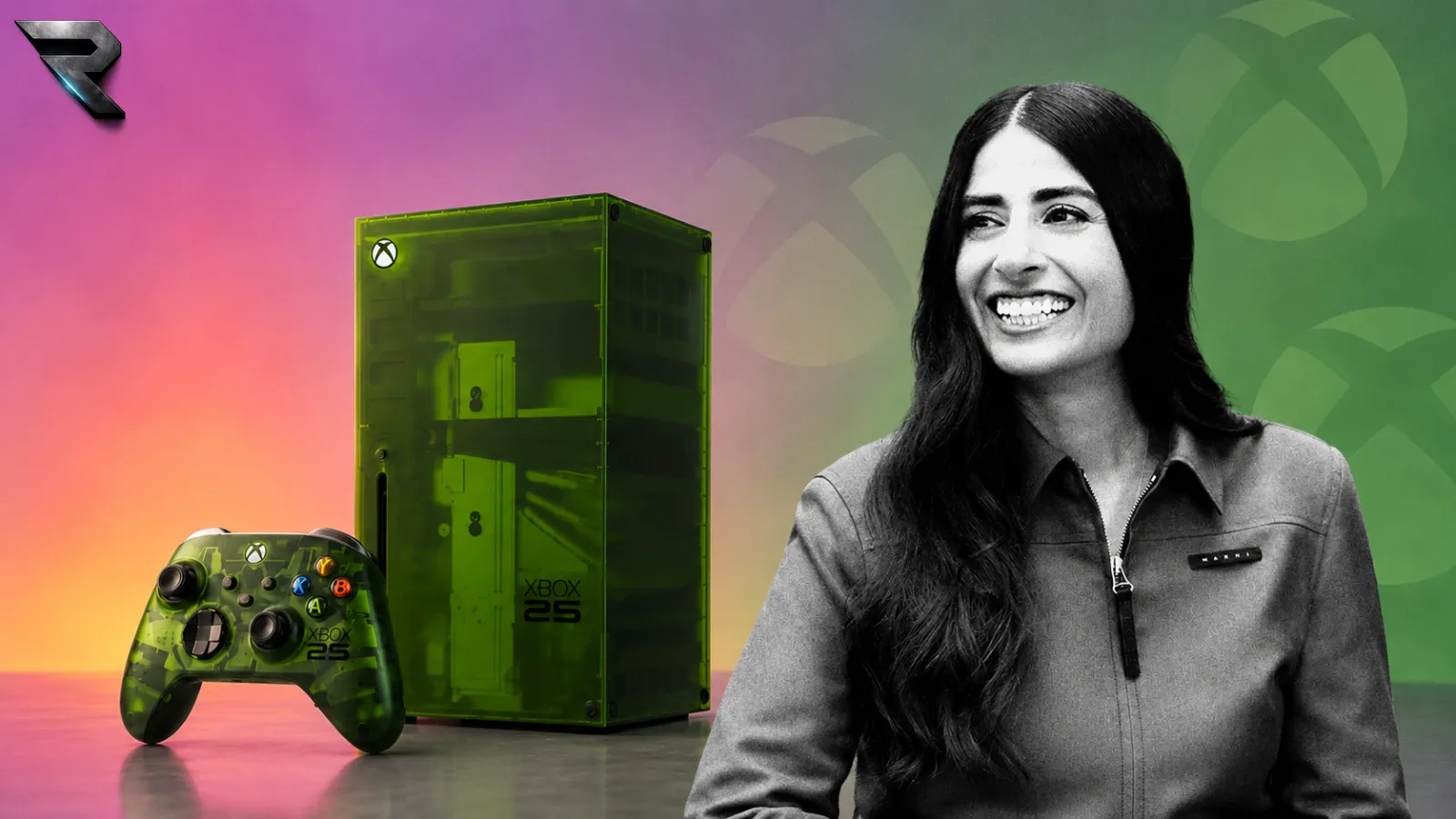
Thanks to an internal memo obtained by The Verge, we now have a clearer picture of where Microsoft wants Xbox to head over the rest of the decade. According to The Verge, which obtained the message, Xbox CEO Asha Sharma used it to address staff directly after a stretch of upheaval that included studio closures, cancelled projects, layoffs, and a broader reshuffling of teams across the gaming division.
While internal strategy documents rarely become public, they often provide the clearest snapshot of a company's long-term priorities before those plans are reflected in public announcements. What stands out is what the memo does not dwell on. Instead of re-litigating the last several months, Sharma uses it to point forward, sketching a strategy meant to pull Xbox back into growth mode while widening its footprint across players, creators, and entertainment more broadly. Four priorities anchor the plan.
Core: Console Still Comes First
Perhaps the most notable line in the memo is also the simplest one. Even after years of Microsoft pushing hard into cloud gaming, PC, mobile, and other people's consoles, Sharma's message reportedly states plainly that console remains Xbox's flagship experience.
That is not a small thing to say out loud right now. Xbox has spent the past few years putting its games on PlayStation, building out cloud streaming, and generally acting less like a hardware company and more like a publisher that happens to also sell boxes. This memo suggests the hardware side of the business has not been quietly deprioritized behind the scenes, whatever the multiplatform push might have implied. Anyone wondering whether Microsoft was preparing to walk away from making consoles altogether gets a fairly direct answer here: not yet, and maybe not at all.
Content: Turning Games Into Global Franchises
The second pillar has less to do with hardware and more to do with what Xbox actually owns. Rather than treating each release as a standalone product, the strategy calls for building Xbox's biggest series into recognizable global brands, the kind that live comfortably outside of gaming.
This is where the last few years of acquisitions start to make more sense as a single thesis rather than a spending spree. Between Activision Blizzard and Bethesda, Xbox now has a shelf full of names that most people, gamers or not, would recognize:
| Franchise | Studio / Publisher Origin |
|---|---|
| Call of Duty | Activision |
| The Elder Scrolls | Bethesda |
| Fallout | Bethesda |
| Diablo | Blizzard |
| Doom | id Software |
| Halo | 343 Industries |
| Forza | Turn 10 / Playground Games |
| Minecraft | Mojang Studios |
The memo frames the job going forward as growing these properties across as many forms of entertainment as makes sense, not just shipping the next numbered sequel every couple of years.
Creation: Minecraft as the Creator Platform
Minecraft gets its own dedicated section in the memo, and the ambition attached to it is not subtle. Sharma reportedly wants it to become the world's leading creator platform, which is a step beyond calling it a game at all at this point.
To be fair, Minecraft has been drifting in that direction for years. Millions of people already build inside it, whether that means custom worlds, educational lessons for classrooms, community servers, or marketplace content built by third parties. The memo's language suggests Microsoft plans to keep pouring resources into those creation tools rather than treating them as a side feature bolted onto the base game. Given how much of the industry is leaning into user-generated content right now, it tracks that Xbox would want its biggest creative sandbox to lead that charge instead of following someone else's.
Connection: Life Beyond the Screen
The fourth priority is about what happens to these franchises once players put the controller down. The memo reportedly describes plans to push Xbox properties into broader entertainment formats, giving fans more ways to stay attached to the worlds they already care about.
Nothing specific gets named here, but the direction is not hard to guess given where Microsoft has already been dabbling. Think more television adaptations along the lines of the Fallout series, potential film projects, live events, merchandise, and whatever else keeps a franchise in front of people between game releases. It is the same playbook other entertainment giants have run for years, just applied more deliberately to Xbox's catalog now.
The Roadmap: Three Phases Through FY2030
Strategy pillars are one thing, but the memo also attaches actual numbers and timelines to the plan, broken into three stages.
Phase One, Fiscal Year 2027
The near-term goal is simply to stop the bleeding. Xbox wants to return to player growth and increase revenue, which is really about stabilizing after the restructuring rather than chasing anything ambitious just yet.
Phase Two, Fiscal Years 2028 and 2029
Once that stabilization holds, the plan calls for accelerating both player acquisition and revenue over the following two years. That likely leans on new releases, subscription growth through Game Pass, and continued expansion across the platforms Xbox already touches.
Phase Three, Fiscal Year 2030
The final stretch targets sustained double-digit growth by FY2030. That is a bold number for a business this size to commit to on paper, and hitting it would mark one of the more significant turnarounds in Microsoft's gaming history.
What This Actually Means for Players
Strip away the business-speak and a few things genuinely matter to anyone who owns an Xbox or plays its games. The renewed emphasis on console should ease some of the anxiety players have had about whether dedicated Xbox hardware has a future at all. The continued investment in flagship franchises signals Microsoft is not backing off blockbuster development even as it expands those universes into other media. And Minecraft's outsized role in the memo is a pretty clear statement that creator tools are not going anywhere either.
None of this guarantees success, obviously. Plenty of companies have written ambitious roadmaps that never quite matched reality. But it is a more concrete picture than Xbox has offered publicly in a while, especially coming right after a period where the brand's direction genuinely felt uncertain to a lot of longtime fans.
The Bottom Line
If Xbox delivers on this roadmap, the next few years won't just be about launching new games. They'll be about redefining what the Xbox ecosystem looks like across consoles, creators, subscriptions, and entertainment. Whether those ambitions become reality remains to be seen, but the memo offers one of the clearest looks yet at Microsoft's long-term thinking.
Whether Xbox hits those marks will depend on execution across hardware, first-party releases, and Game Pass over the next few years. For now, this is the clearest look yet at how Microsoft plans to steer the brand for the rest of the decade.