

This guide is regularly updated with new hiding strategies, community discoveries, and gameplay changes as the Meccha Chameleon meta evolves. Check back for the latest tips and techniques.
Two weeks ago, almost nobody outside of Steam's trending tab had heard of Meccha Chameleon. Today it has pulled in millions of sales, regularly cracks Steam's top concurrent-player charts, and has briefly out-drawn games with budgets a hundred times its size. For a $5.99 hide-and-seek game built by a tiny team, that is not a fluke. It is a design lesson.
We played enough rounds to actually get good at it, broke down why the format works the way it does, and dug into the Workshop map scene that has quietly become the game's second engine of growth. There is also a real caution worth flagging before you download anyone's custom map. More on that below.
Why Meccha Chameleon Actually Works
On paper, this is another Prop Hunt clone. One team hides, one team hunts, somebody wins. Plenty of games have tried that formula and quietly disappeared into Steam's bargain bin. Meccha Chameleon survives because it changed the one rule that made every other hide-and-seek game boring.
In Prop Hunt, the winning strategy is to disappear. Find a corner, become a lamp, do not move, wait out the clock. The game rewards being forgotten. Meccha Chameleon flips that completely. You only score points while you are inside a hunter's direct line of sight. Hiding in the most obscure, least-trafficked corner of the map is the losing play. The game punishes exactly the instinct that every other hide-and-seek title trained into you.
The result is something much closer to performing a magic trick in real time, in front of an audience that is actively trying to catch you. It is not camouflage as concealment. It is camouflage as performance. And because the paint tool is fast, intuitive, and genuinely funny to watch fail, the format produces constant shareable chaos without anyone needing to explain the rules first. That is a big deal for a game that lives on clip-based platforms.
The other thing that makes it work: taunting. Hiders can whistle to lure hunters toward their spot for bonus points. The best players are not hiding from the action. They are baiting it. That is a much better spectator sport than watching someone sit motionless in a dark corner for three minutes.
Where Pro Hiders Actually Set Up
One thing has become clearer since launch: the best players are no longer just matching colors. They are matching lighting, patterns, and even breaking up their character's silhouette so hunters never register them as a player in the first place.
Forget the obvious corners. Here is what is working in higher-skill lobbies right now.
1. Mid-Room Set Dressing, Not the Walls
New players instinctively hug walls and try to blend into wallpaper patterns. Better players set up against furniture and clutter in the middle of a room. A bookshelf, a stack of crates, a kitchen island. Hunters' eyes are trained to sweep room perimeters first, so anything mid-room tends to get scanned last, not first. You want to be the last thing someone looks at, not the most obvious.
2. Textured and Irregular Surfaces
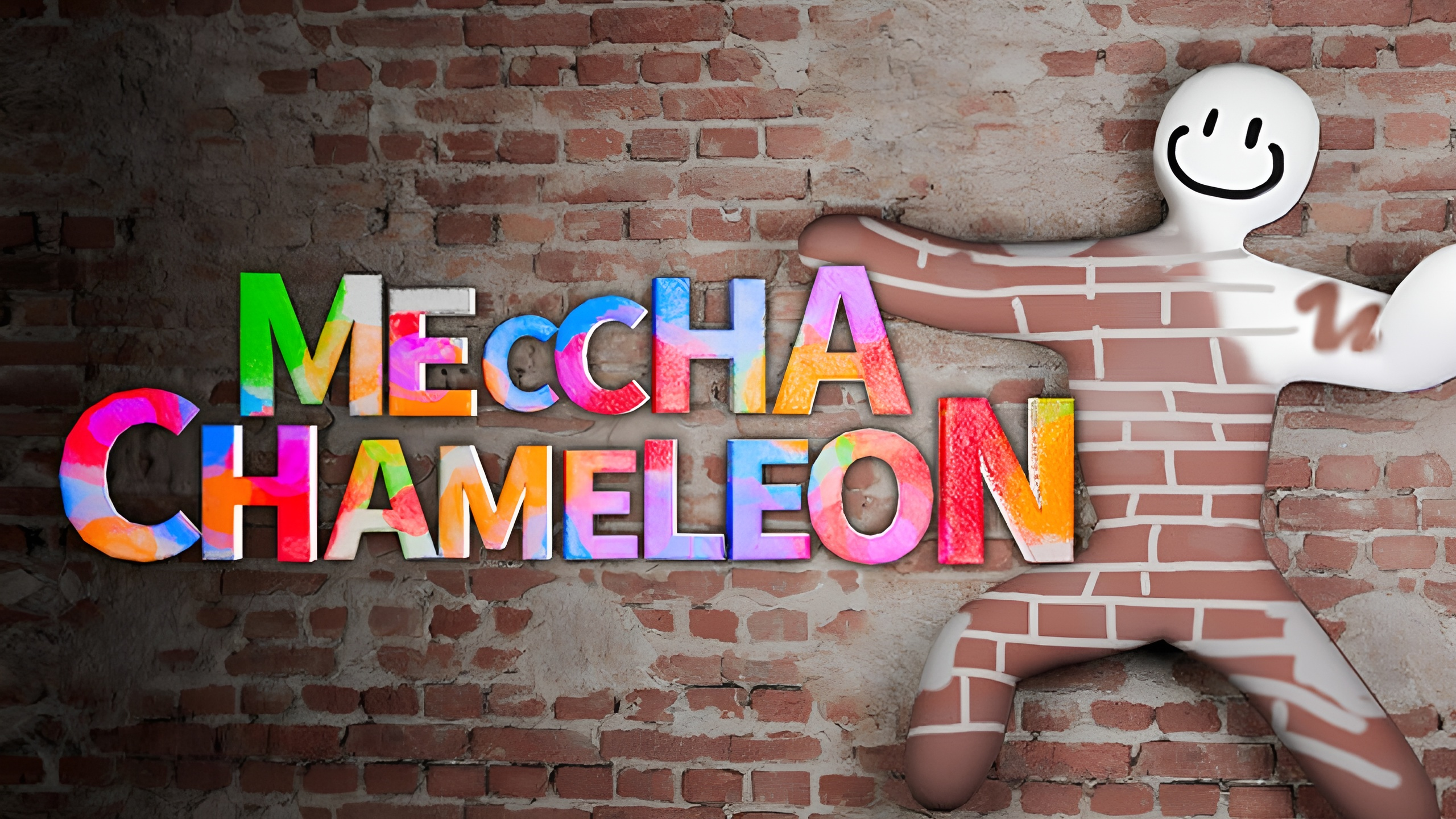
Flat single-color walls are deceptively hard to disappear into. Any tiny paint mismatch shows up immediately because there is nothing else going on in the texture to absorb it. Brickwork, wood grain, framed art, patterned wallpaper. These are far more forgiving. Small imperfections in your paint job get swallowed by the existing visual noise instead of glowing like a mistake.
3. Doorframes and Thresholds
This one gets overlooked constantly. Hunters look through doorways at what is on the other side. They are not looking at the frame itself. Standing flush against a doorway edge, half in shadow and half in the light spilling through, puts you in a blind spot built into how people naturally scan a room. It feels counterintuitive to park yourself somewhere so visible. That is exactly why it works.
4. Right Behind a Hunter Who Just Passed You
Counterintuitively, the safest moment to reposition is right after a hunter walks past you, not while they are far away. Their attention is locked on whatever is ahead of them. The second or two immediately after they pass is a dead zone where nobody is watching their own six. Good players use that window to shift position without getting spotted mid-move.
5. Below Eye Level
Most players scan at eye level out of habit. Painting yourself flat against a low shelf, a windowsill, or anything that sits below the natural sightline catches hunters who simply never tilt their view down. It sounds almost too simple. It works far more often than it should.
The thread connecting all five of these is the same. The best hiding spots are not about being physically hard to find. They are about exploiting where attention naturally drifts. That is a more interesting puzzle than "go to the darkest corner," and it is a big part of why the game keeps people coming back to the same five maps without getting bored of them.
The Full Ranking at a Glance
Here is how those five spots stack up against each other in practical lobby conditions:
| Rank | Spot Type | Why It Works | Risk Level |
|---|---|---|---|
| 1 | Mid-room objects (shelves, crates, furniture) | Hunters scan perimeters first, so mid-room gets ignored longest | Low |
| 2 | Textured or patterned surfaces | Paint imperfections get absorbed into visual noise | Low |
| 3 | Doorframes and thresholds | Hunters look through doors, not at them | Medium |
| 4 | Right behind a passing hunter | Dead zone in their attention right after they walk past | Medium |
| 5 | Below-eye-level surfaces | Most players never tilt their view down far enough | Low-Medium |
The Taunting Meta and When to Use It
Taunting is where the skill gap between average players and good ones really shows. Whistling at a hunter feels like the wrong move. Your instincts say stay still, stay quiet, do not give yourself away. But taunting is how you rack up points, and points are how you win.
The key is timing and position. You taunt when you are already well-blended, when you have an exit route if the hunter spots you, and when you are confident enough in your current surface that a second look from them is unlikely to blow your cover. Taunting from a flat wall with no texture around you is asking to get caught. Taunting from a mid-room bookshelf or a busy doorframe threshold is where it gets genuinely interesting.
High-skill players also use taunting to manage hunters. If you can pull a hunter into a room on your terms, you control where they are spending their attention. That is time other hiders on your team are scoring in other parts of the map without interference.
Advanced Camouflage Techniques
Experienced players increasingly focus on matching the environment's lighting rather than relying on a single flat paint color. Bright areas should stay bright, shadowed areas should stay darker, and copying subtle gradients makes disguises significantly more convincing.
Patterns matter just as much as color. Brick lines, wood grain, wallpaper, scratches, floor tiles, and worn edges naturally disguise small mistakes that would stand out on a plain surface.
Before the round begins, pick your hiding area quickly and spend the remaining preparation time refining your disguise instead of wandering the map. A polished disguise usually outperforms a last-second hiding spot.
Always rotate your camera before locking in your position. Checking yourself from multiple angles often reveals exposed limbs, awkward outlines, or lighting mismatches that are easy to fix before hunters arrive.
Some advanced players are even experimenting with 'hiding in plain sight' by using subtle disguises while moving naturally around hunters. It is a risky strategy, but it highlights an important lesson: psychology can be just as important as camouflage.
The Workshop Map Boom
Five official maps would have run out of road fast. What has kept Meccha Chameleon's player count climbing instead of cratering is Steam Workshop support, added shortly after the initial launch wave. Community-built maps have taken off. Recreations of other games, elaborate art-gallery layouts built specifically to reward the "blend into the painting" trick, multi-room setups that go well beyond anything in the base game.
This is the unglamorous part of why a viral hit has legs. User-generated content turns a single clever idea into an effectively infinite content pipeline without the developer lifting a finger. It is the same mechanism that has kept far bigger live-service games alive for years, compressed into a two-week-old indie title.
The best Workshop maps right now lean hard into the game's core scoring loop. The art-gallery style maps are especially good, because the whole premise of blending into paintings maps perfectly onto how the points system works. If you have not tried a few Workshop downloads yet, that category is the best place to start.
Before You Download a Workshop Map: Read This First
Here is the part that is worth taking seriously. There is growing concern in the community that some custom maps can carry embedded code that runs automatically the moment a level starts loading. This is a side effect of how flexible the Workshop tools currently are, not a deliberate feature.
Nothing suggests this is being actively exploited at any scale right now. The developer is reportedly aware of it. But until it is patched, the practical advice is straightforward: stick to maps with a healthy subscriber count and a visible, established creator history. Be cautious about anything obscure, brand-new, or pushed hard through external links rather than organic Workshop discovery. If a Workshop map is being promoted through a Discord server you just joined or a Reddit post from a three-day-old account, it is worth thinking twice before loading it.
This is not a reason to avoid Workshop maps. The Workshop scene is genuinely the best part of Meccha Chameleon right now. It is just a reason to be a bit choosier about whose map you are running. The same common sense that applies to downloading anything from the internet applies here.
What This Game Actually Got Right
Meccha Chameleon is a reminder that the biggest gaming stories in any given week are not always the ones with marketing budgets behind them. A small team built a genuinely smarter version of a tired genre, got the core loop right on the first try, and let players do the rest through clips and mods.
The single rule change, scoring only when you are visible rather than when you are hidden, is a simple idea that had not been done this cleanly before. That is rarer than it sounds. Most genre iterations just add complexity. This one removed the part that made the genre boring and replaced it with something that works better. Every other design decision in the game flows from that one call.
Whether it has the staying power to still be pulling numbers six months from now or burns out by August, it has already done something most $70 AAA releases this year have not managed. It made people excited to discover something nobody told them to be excited about.
If you are just starting out, start with mid-room furniture and textured surfaces. Get comfortable with those two before you start leaning on doorframes or trying to tail hunters around the map. The fundamentals get you 80 percent of the way there. The taunting meta and the repositioning tricks come naturally once you have the core habits locked in.